
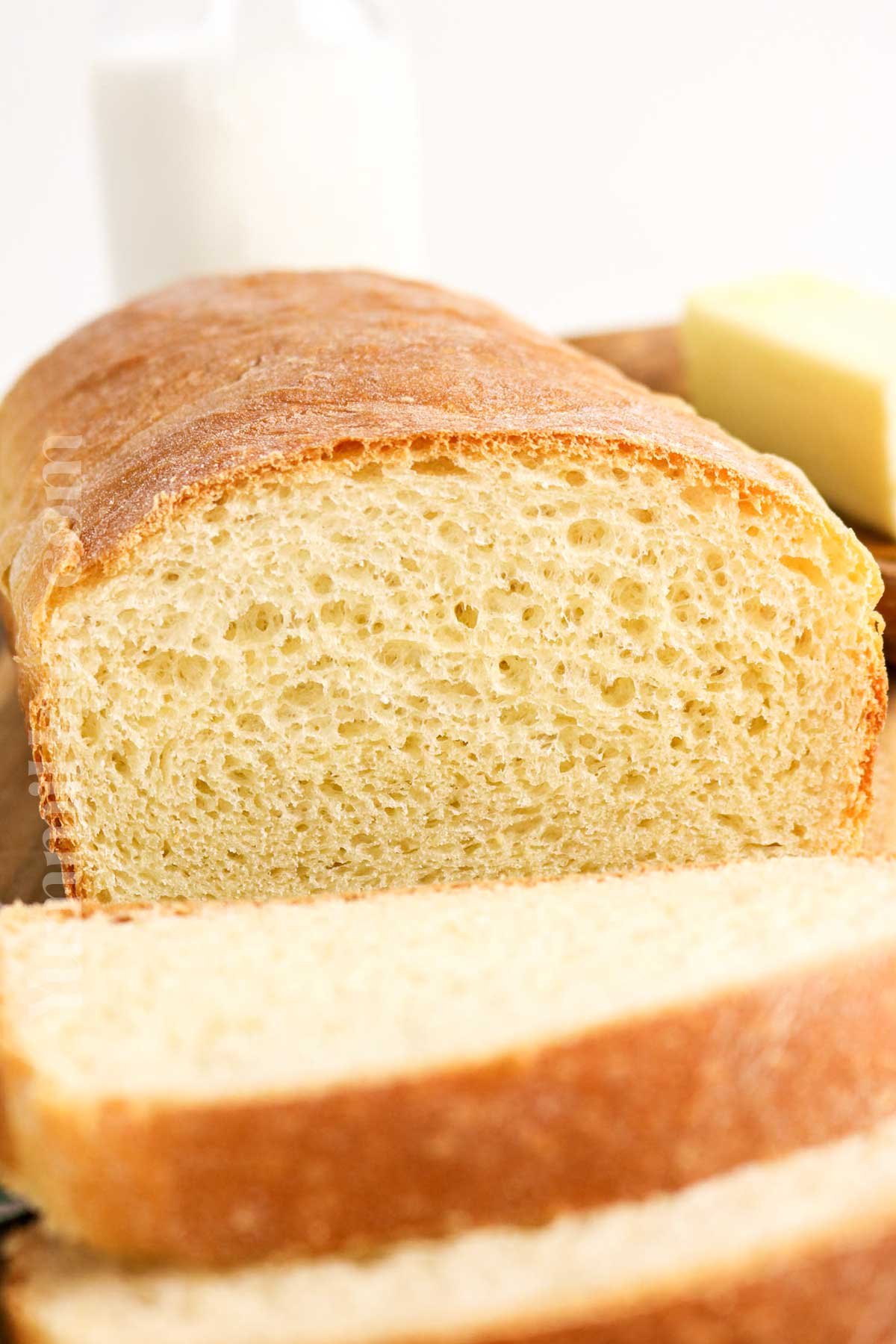
If you’ve never tried Japanese milk bread before, you’re in for an absolute treat! This pillowy soft white bread has taken the baking world by storm, and for good reason. Shokupan is known for its incredibly fluffy texture, slightly sweet flavor, and that signature cloud-like softness that stays fresh for days. Whether you use it for sandwich bread, toast, or just tear into it fresh from the oven, this is hands down one of the softest bread recipes you’ll ever make.
The secret to achieving that perfect milk bread texture lies in a simple technique called the tangzhong method. This water roux involves cooking a small portion of flour and liquid together to create a thick paste that helps the bread retain moisture and creates that signature fluffy bread texture. Don’t worry if this is your first time making Japanese bread. This shokupan recipe is easier than you think, and the results are absolutely worth it!
Gina’s Recipe Rundown:
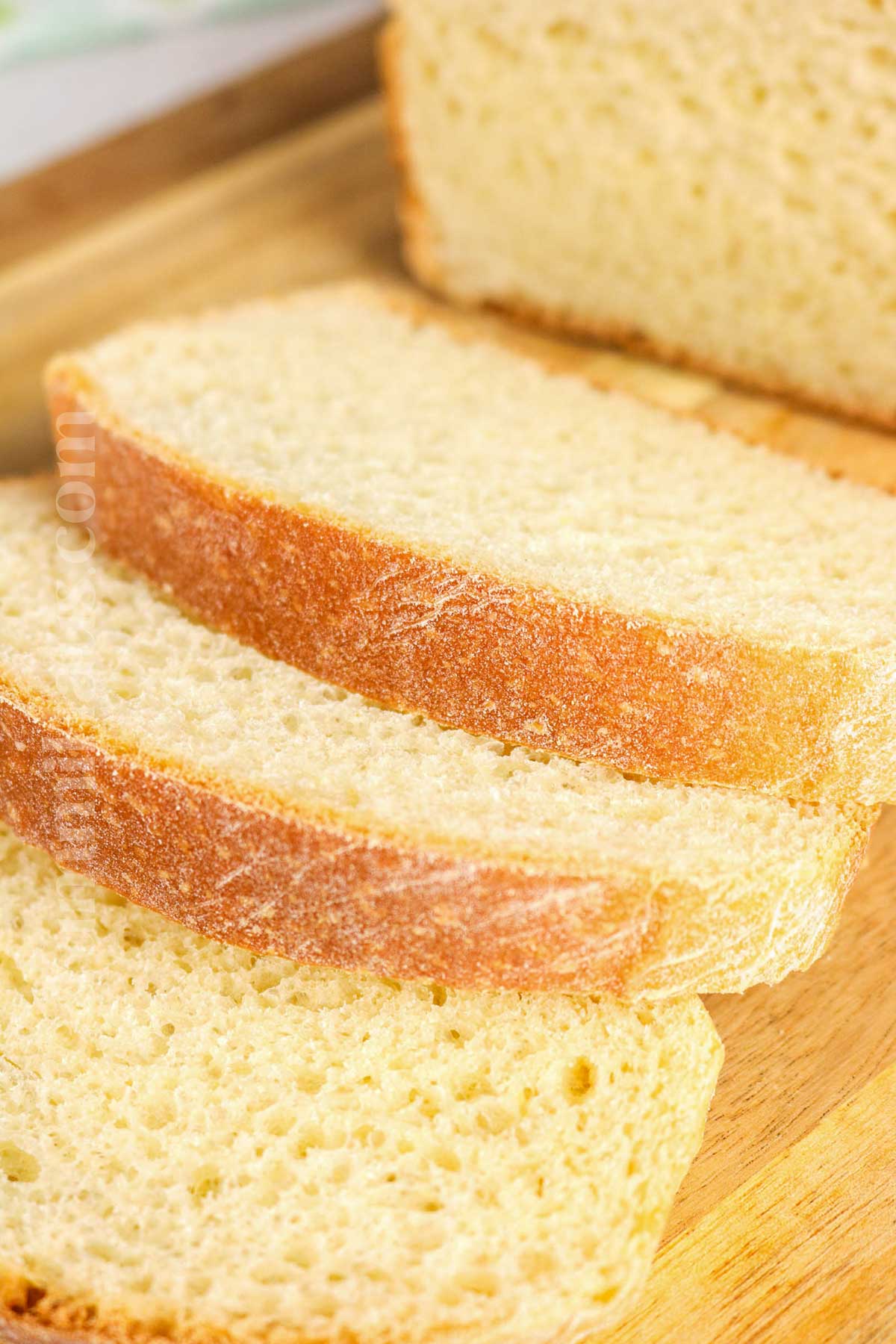
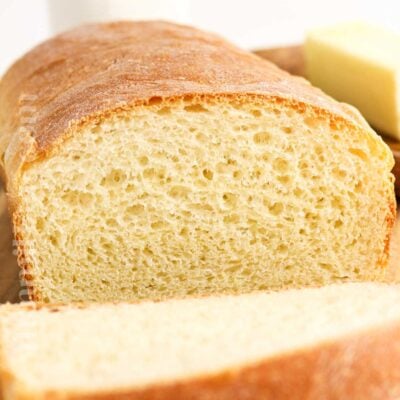
Texture: Soft, fluffy, and pillowy with a tender, slightly chewy crumb and a delicate golden crust.
Taste: Mildly sweet, rich, and buttery with a subtle milky flavor and a hint of savory depth from the salt.
Ease: Moderately easy, with a few extra steps for making the Tangzhong and shaping the dough, but the process is straightforward and beginner-friendly.
Why I love it: I love this Japanese Milk Bread because it’s incredibly soft, fluffy, and slightly sweet, making every slice feel like a little treat.
Why You’ll Love This Recipe
Incredibly Soft and Fluffy
This fluffy Japanese milk bread has the most tender bread texture you’ve ever experienced. The tangzhong method creates a loaf that stays soft for days, making it perfect for everything from morning toast to dinner rolls.
Versatile and Delicious
While this is amazing as sandwich bread, you can shape the dough in different ways to make sweet rolls, hot dog buns, or even pull-apart pieces. It’s become one of my favorite breads for a reason!
Easier Than You Think
Even if this is your first time making asian milk bread, the process is straightforward. With a stand mixer bowl and the dough hook attachment, most of the work is done for you. This is a great way to level up your bread recipes.
Bakery-Quality at Home
Why buy expensive Hokkaido milk bread from specialty stores when you can make the softest bread right in your own kitchen? Once you try this Japanese milk bread recipe, you’ll never go back to store-bought.


Ingredient Notes
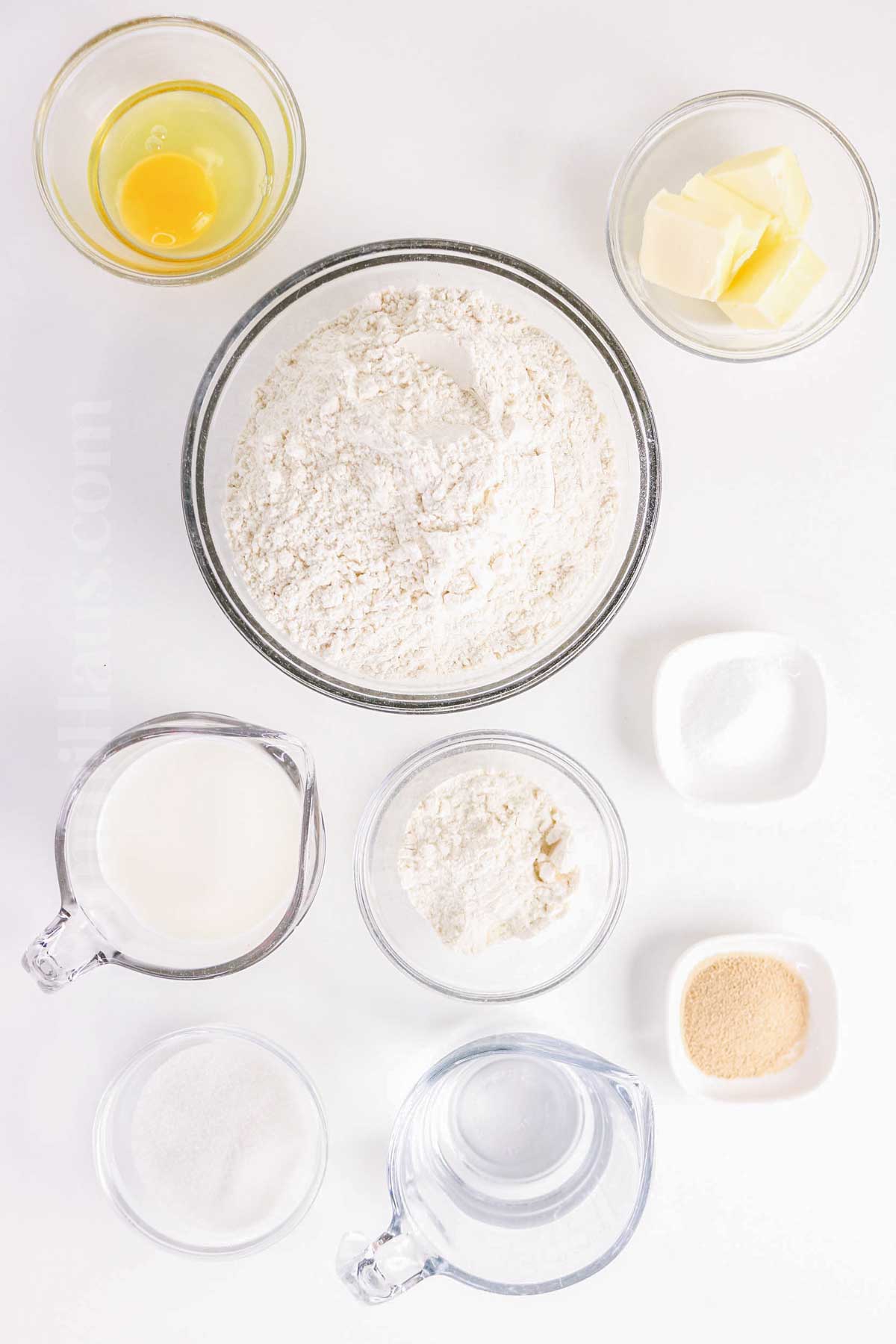
- Bread flour: Provides the structure and chewy, elastic texture characteristic of Japanese milk bread.
- Water: Used to make the Tangzhong, helping create a soft, moist crumb.
- Granulated sugar: Adds mild sweetness and helps with browning.
- Salt: Enhances the flavor and balances the sweetness.
- Instant yeast: Leavens the dough and gives the bread its light, fluffy texture.
- Whole milk, warm: Adds richness, tenderness, and moisture to the dough.
- Egg: Adds richness, color, and structure while contributing to a soft crumb.
- Tangzhong, cooled to room temperature: A cooked flour-and-water mixture that helps the bread retain moisture and stay exceptionally soft.
- Unsalted butter, softened: Adds richness and tenderness while giving the bread a smooth, soft texture.
Kitchen Equipment
- Stand mixer with dough hook
- Small saucepan for making the Tangzhong
- Whisk
- Mixing bowls
- Measuring cups and spoons
- Kitchen scale
- 9 × 5-inch loaf pan
- Dough scraper or bench scraper
- Rolling pin
- Pastry brush
- Plastic wrap or clean kitchen towel
- Wire cooling rack
How to Make Japanese Milk Bread
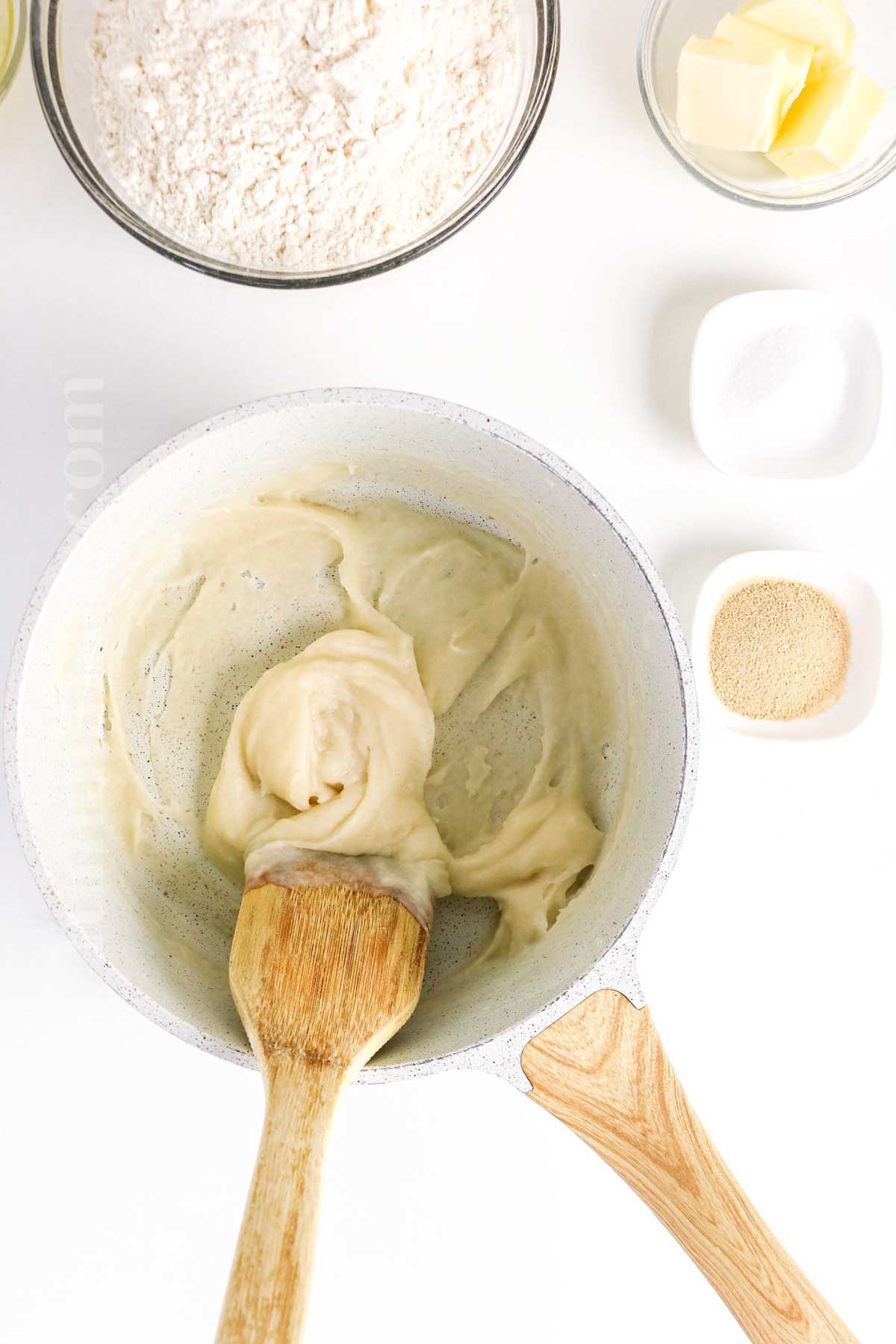
- Start by making the tangzhong. Whisk the flour and water together in a small saucepan until smooth and lump-free. Cook over medium-low heat, stirring constantly, until the mixture thickens into a smooth paste, about 3–5 minutes. Remove it from the heat and let it cool to room temperature.
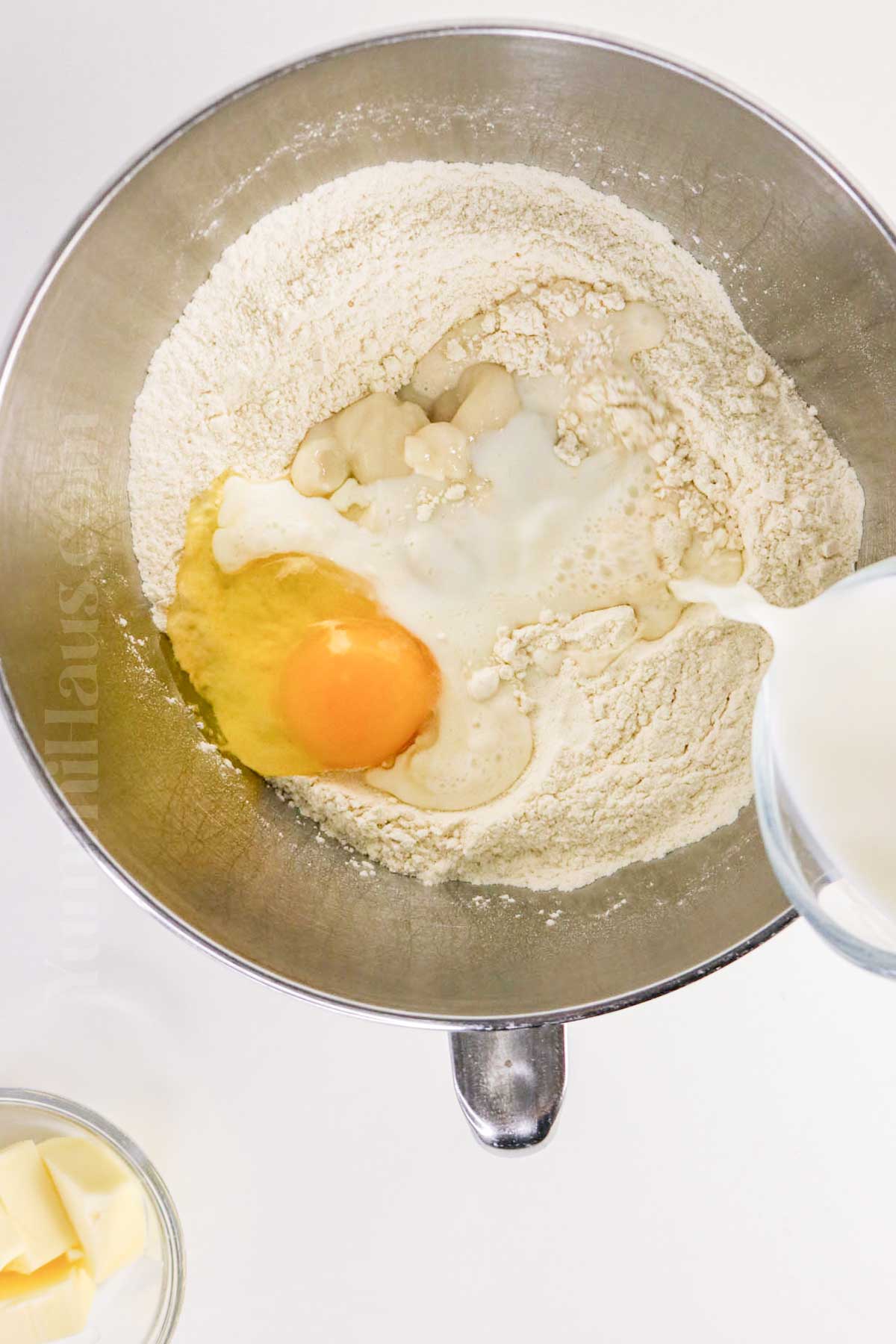
- In a large mixing bowl, combine the bread flour, sugar, salt, and yeast. Add the warm milk, egg, cooled tangzhong, and softened butter. Mix everything together until a shaggy dough forms.
- Now it’s time to knead. Knead the dough by hand or with a stand mixer for about 8–10 minutes, until it’s smooth, soft, and elastic. Place the dough in a lightly greased bowl, cover it, and let it rise for 1 to 1½ hours, or until it has doubled in size.
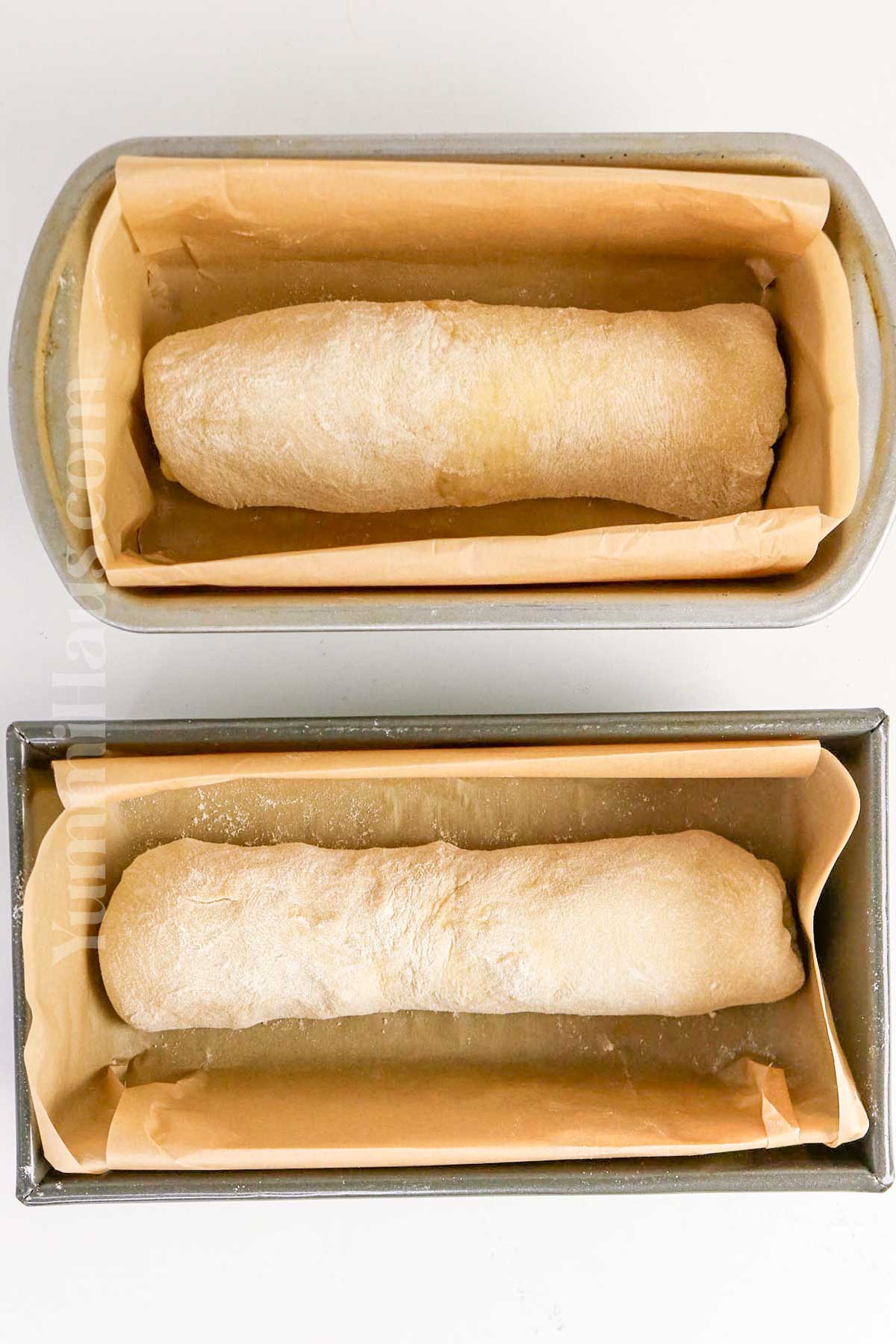
- Once the dough has risen, gently punch it down to release the air. Divide it into 2 equal portions. Shape each piece into a ball, then roll it out and fold it into a tight log. Place the shaped dough seam-side down in a greased loaf pan.
- Cover the pan and let the dough rise again for 45–60 minutes, or until it looks nicely puffy.
- Meanwhile, preheat your oven to 350°F. Bake the bread for 30–35 minutes, until the tops are golden brown and the loaves sound hollow when gently tapped. If the tops start browning too quickly, loosely cover them with foil during the last 10 minutes of baking.
- Let the bread cool in the pan for about 10 minutes, then transfer it to a wire rack. Allow it to cool completely before slicing so you get those soft, fluffy slices.
Variations & Substitutions
Flour Options
This recipe uses bread flour, but you can substitute all-purpose flour for a slightly less chewy texture. Bread flour has more protein, which can give you a slightly different result, but both work beautifully for this Japanese bread.
Dairy Substitutions
While whole milk and heavy cream give the best results, you can use dry milk powder mixed with water if needed. For a dairy-free version, substitute with your favorite plant-based milk, though the flavor will be slightly different. Make sure any milk substitute is at room temperature or warm milk consistency.
Yeast Types
This recipe calls for instant yeast, but you can use active dry yeast instead. Just remember to activate active dry yeast in warm liquid first, and it may take slightly longer for your dough to rise.
Shape Variations
Instead of a traditional loaf, divide your bread dough into equal portions to make dinner rolls or shape them into an oval shape for hot dog buns. You can also make smaller sweet rolls by adding a bit more sugar to the dough.
Flavor Add-Ins
While classic shokupan is fairly plain, you can add a touch of vanilla extract, or brush the top of the dough with butter before baking for extra richness. Some bakers like to add a small piece of tangzhong to sourdough bread recipes for extra softness too.
Storage
One of the best things about this soft bread is how well it keeps! Store your fluffy milk bread at room temperature in an airtight container or wrapped in plastic wrap for up to 4 to 5 days. The tangzhong method helps retain moisture, so it stays incredibly soft even on the second or third day.
For longer storage, slice your bread and freeze individual pieces wrapped in plastic wrap, then place them in a freezer bag. Frozen slices can go straight into the toaster, making this a great way to always have fresh-tasting bread on hand. The bread will keep in the freezer for up to 3 months.
If you notice your bread starting to dry out, don’t throw it away! It makes excellent French toast or bread crumbs. You can also refresh slightly stale bread by wrapping it in foil and warming it in a low oven for a few minutes.
Expert Tips
Master the Tangzhong
The water roux is crucial for that signature fluffy texture. Cook your flour and liquid mixture over medium-low heat, stirring constantly until it forms a thick paste. It should reach about 65°C (149°F) for best results. Let it cool before adding to your dough, or it could kill your yeast.
Temperature Matters
Keep your ingredients at room temperature for even mixing. The warm liquid for activating yeast should be around 38°C (100°F). If your dough temperature is too high, it can kill the yeast, and if it’s too cold, the dough won’t rise properly. Finding a warm spot in your kitchen for the first and second rise makes all the difference.
Don’t Skip the Kneading Time
Whether using a stand mixer or kneading by hand, proper kneading develops the gluten structure needed for that soft texture. The dough should be slightly sticky but pull away from the bottom of the bowl. If you have very wet dough or sticky dough, resist adding too much flour. A slightly tacky dough is what you want.
The Windowpane Test
To check if your shokupan dough is properly kneaded, take a small piece of dough and gently stretch it. If it forms a thin, translucent membrane without tearing, you’re ready to let the dough rise. This is your first time doing this? It might take a few tries to get the feel for it.
Shape with Care
When rolling your dough into equal pieces, use a dough scraper to divide it precisely. For the classic shokupan shape, roll each portion into an oval shape, fold it, then roll again before placing seam side down in your bread tin. This creates those beautiful layers.
Watch for a Golden Brown Finish
Brush your egg wash on top just before baking for that gorgeous golden crust. If your bread is browning too quickly, tent it with foil partway through baking. The bread is done when it sounds hollow when tapped and has reached an internal temperature of about 88-93°C (190-200°F).
Cool Completely
As tempting as it is to slice into warm bread, let it cool on a wire rack first. Cutting too early can make the texture gummy. I know the wait is hard, but trust me on this one!
FAQ’s
What makes Japanese milk bread different from regular bread?
The tangzhong method is what sets this apart from other bread recipes. This simple technique of cooking flour and liquid into a starter paste gives the bread its incredibly fluffy texture and helps it stay soft for days longer than regular sandwich bread.
Can I make this without a stand mixer?
Absolutely! While a stand mixer makes things easier, you can knead this bread dough by hand on a work surface. It will take longer (about 15 to 20 minutes of kneading), but you’ll get the same results. Just knead until the dough passes the windowpane test.
Why is my dough so sticky?
This is normal! The high hydration from the tangzhong creates a somewhat sticky dough. Resist the urge to add too much extra flour. Use a lightly floured work surface and a bench scraper to help handle the dough. As it rises and bakes, you’ll get that perfect soft bread texture.
Can I use this recipe for dinner rolls?
Yes! This is my favorite way to use this dough besides making a traditional loaf. Simply divide the final dough into equal portions (about 12 pieces) and shape into rolls. The second rise will be shorter, around 30 to 40 minutes, and baking time reduces to about 15 to 20 minutes.
What’s the difference between Hokkaido milk bread and shokupan?
These terms are often used interchangeably! Hokkaido milk bread typically refers to the enriched, fluffy style of bread that originated in Japan’s Hokkaido region, while shokupan is the general Japanese term for white bread. This recipe gives you that authentic pillowy soft texture either way.
Do I need a special loaf pan?
Not necessarily. A regular loaf pan works perfectly fine for this shokupan recipe. However, if you want that classic square shape with a flat top, a Pullman loaf pan with a lid is ideal. Either way, you’ll get delicious results.
Why didn’t my bread rise?
Several factors could cause this. Check that your yeast isn’t expired and that your warm liquid wasn’t too hot (which kills yeast). Make sure your dough is rising in a warm place, ideally around 24-27°C (75-80°F). If your kitchen is cold, try placing it in an oven with just the light on.
If you love this bread recipe, you’re going to love these other bread recipes, too. Please click each link below to find the easy, printable recipe!

More Great Yeast Bread Recipes
The BEST Brown Bread Recipe EVER!
Copycat Olive Garden Breadsticks
One Hour Disappearing Fat Rolls
30-Minute Garlic Parmesan Dinner Rolls

CONNECT WITH YUMMI HAUS!
Be sure to follow me on my social media, so you never miss a post!

Japanese Milk Bread (Shokupan)

Ingredients
Tangzhong
- 3 tablespoons bread flour sifted, spooned and leveled
- ½ cup water
Dough
- 3 ½ cups bread flour sifted, spooned and leveled
- ¼ cup granulated sugar
- 1 teaspoon salt
- 2 ¼ teaspoons instant yeast
- ¾ cup whole milk warm
- 1 large egg
- Tangzhong cooled to room temperature
- 4 tablespoons butter softened (unsalted)
Instructions
- Make the tangzhong by whisking the flour and water together in a small saucepan until smooth.
- Cook over medium-low heat, stirring constantly, until it thickens into a paste, about 3–5 minutes. Remove from heat and let it cool to room temperature.
- Mix the bread flour, sugar, salt, and yeast in a large bowl.
- Stir in the warm milk, egg, the cooled tangzhong, and the butter, mixing until a shaggy dough forms.
- Knead the dough by hand or with a mixer for about 8–10 minutes until it becomes smooth and elastic.
- Place the dough in a greased bowl, cover, and let it rise for 1 to 1 ½ hours, or until doubled in size.
- Punch down the dough and divide it into 2 equal portions.
- Shape each into a ball, then roll out and fold into tight logs.
- Place them seam-side down in a greased loaf pan.
- Cover and let rise again for 45–60 minutes, until puffy.
- Preheat the oven to 350°F.
- Bake for 30–35 minutes, until golden brown and the loaves sound hollow when tapped with your fingernail. If the top browns too quickly, loosely tent with foil during the last 10 minutes.
- Let cool in the pan for 10 minutes, then transfer to a wire rack to cool completely before slicing.
Nutrition
Nutritional information for the recipe is provided as a courtesy and is approximate. Please double-check with your own dietary calculator for the best accuracy. We at Yummi Haus cannot guarantee the accuracy of the nutritional information given for any recipe on this site.







Share Your Thoughts