

Get your free High-Protein Keto Toolbox printable, plus my best keto tips, favorite high-protein foods, and trusted products all in one place.
Whether you’re just getting started with high-protein keto or looking to fine-tune your approach, having the right resources can make all the difference. That’s why I created the High-Protein Keto Toolbox: a free, printable infographic packed with practical tips to help you hit your protein goals, stay in ketosis, and simplify your meal planning. It’s designed to be a quick-reference guide you can save, print, or keep handy whenever you need a refresher.
Beyond the free download, this page is your go-to resource for everything high-protein keto. You’ll find my favorite tips we have learned along our journey, snack ideas, protein sources, supplements, tech, tools, and other products I personally recommend to make keto easier and more sustainable. Whether you’re trying to lose weight, preserve muscle, or simply enjoy delicious low-carb meals, you’ll find trusted tips and carefully selected resources to help you succeed on your high-protein keto journey.
Keep Building Your High-Protein Keto Toolbox
Your printable is a great quick-reference guide, but it’s just the beginning. Below you’ll find my complete collection of high-protein keto resources and the products I personally use and recommend.
Whether you’re looking for more protein-packed meal ideas, want to troubleshoot common keto challenges, or need the right kitchen tools to make meal prep easier, these resources will help you stay consistent and reach your goals.
Questions? Leave a comment, and I’ll get back to you.
Why We Chose Keto
Several years ago, we had some general health concerns. We were grossly overweight and overall were on a bad path. Fortunately, we found a doctor who believed in treating the root cause of issues, rather than writing a prescription. I’m not one for going to the doctor, and I usually have to be feeling pretty awful even to get me in the door to begin with. So finding someone who didn’t just want to make money off our misery and keep us sick with just enough meds to keep the cash flowing was refreshing. We were borderline diabetic, had metabolic syndrome, as well as insulin resistance. Knocking on living a life full of prescriptions, and we didn’t want that.
We trusted him with this. He had personally gone through it himself. He started us on a low-carb diet (50-70 carbs a day). We did that for a month, which helped us shed the first 10 pounds of water weight that is common when eliminating a good portion of carbs.
After seeing this success, I wanted to kick it into overdrive. I was motivated because this was the first time I had ever really seen success when it came to losing weight. We jumped into keto and were strict about it for 18 months, only having a couple of times where we “cheated” within that time (once for our son’s birthday and once for his wedding). Other than that, we stuck to it, no eating out, and tracking our macros religiously. AND IT WORKED. Between the two of us, we were down 200 pounds within those 18 months.
Have we kept it off?
Well – shortly after we got down to our goal weights, we moved to Hawaii for a year. When we were there, we learned how hard it is to find quality healthy foods there. The beef options aren’t the best, for starters. But on top of that, we enjoyed the island a bit too much. The malasadas, mocos, locally made ice cream, haupia pancakes, mochi, shave ice, musabi, and more were all just so enjoyable, and we had them far too often. So yeah, we learned just how quickly we can undo all the progress when we go off plan. Not only did some weight come back, but so did all of the inflammation and generally lousy feeling.
Sooooo – we are back on the mainland and back on plan. Only this time, we are not quite as strict, trying to get down to where we were before. It may take longer, but keeping on a mostly-keto lifestyle, while prioritizing protein and other healthy habits by getting in the gym frequently, are key.
What about all the recipes you share here on Yummi Haus?
Well- yeah, for years we ate all of these foods here on Yummi Haus, all of the time. But we aren’t those young kids we once were when I started this 18 years ago. Life is different; our bodies and needs are different, and we have to adapt for that.
But now, we enjoy them when the kids are home, or on special occasions. Other than that, I make low-carb versions of a lot of what is here for us to enjoy regularly. The rest is just that much more special when we can have an opportunity to enjoy them.
High-Protein Keto Basics
What is high-protein keto?
High-protein keto is a variation of the ketogenic diet that emphasizes eating more protein while still keeping carbohydrates low enough to support ketosis. Instead of relying on large amounts of fat, this approach prioritizes nutrient-dense protein sources like meat, poultry, fish, eggs, and dairy to help preserve lean muscle, increase fullness, and support an active lifestyle. Healthy fats are still an important part of the diet, but they’re adjusted to meet your energy needs rather than being the primary focus of every meal.
Many people choose a high-protein keto approach because it can make weight loss more sustainable, improve satiety, and help maintain muscle during a calorie deficit. By building meals around high-quality protein, low-carb vegetables, and healthy fats, you can enjoy the benefits of ketosis while supporting your overall health and fitness goals.
How much protein should you eat?
The right amount of protein depends on your age, body composition, activity level, and health goals. While traditional keto diets often limit protein, a high-protein keto approach encourages eating enough to support muscle maintenance, recovery, and overall health while keeping carbohydrates low. Most active adults do well with 1.2–2.0 grams of protein per pound of ideal body weight per day, with those who regularly strength train or are trying to lose weight while preserving muscle often benefiting from the higher end of that range. For example, if you weigh 150 pounds and you’d like to maintain that, you would make 150 grams of protein your goal each day.
Rather than worrying about protein “kicking you out of ketosis,” focus on consistently meeting your daily protein needs first. Then, keep your net carbs low and adjust your fat intake based on your energy needs and goals. If you’re unsure how much protein is right for you, using a macro calculator or speaking with a registered dietitian can help you determine a personalized target. We have used the app Carb Manager for years now. You can customize your macros based on your stats and goals to make sure you are meeting your needs each day.
Net carbs explained
Net carbs are the carbohydrates your body digests and uses for energy, making them the number most people track on a ketogenic diet. To calculate net carbs, subtract fiber, and, in many cases, certain sugar alcohols from the total carbohydrates listed on a nutrition label. Net Carbs = Total Carbohydrates − Fiber (− qualifying sugar alcohols, when appropriate). Because fiber isn’t fully digested, it has a much smaller impact on blood sugar and ketosis than digestible carbohydrates. I personally stay away from sugar alcohols as much as I possibly can because of their digestive side effects.
Tracking net carbs instead of total carbs gives you more flexibility to enjoy nutrient-rich, high-fiber foods like leafy greens, broccoli, cauliflower, avocados, nuts, and seeds while staying within your daily carb limit. Even so, it’s important to read ingredient labels carefully, as some processed “keto” products contain starches or sugar alcohols that may affect people differently. Building your meals around whole, minimally processed foods is often the easiest way to keep net carbs low and your nutrition on track.
Healthy keto fats guide
Healthy fats are an important part of a high-protein keto lifestyle because they provide energy, support hormone production, help your body absorb fat-soluble vitamins, and add flavor and satisfaction to meals. Instead of trying to eat as much fat as possible, focus on choosing high-quality sources and using them to complement your protein intake. Good options include avocados, olives and olive oil, butter or ghee, coconut oil, avocado oil, nuts, seeds, and the natural fats found in meat, poultry, fish, eggs, and full-fat dairy.
On a high-protein keto diet, think of fat as a tool, not a goal. Once you’ve met your protein needs and kept your carbohydrates low, adjust your fat intake based on your hunger, activity level, and health goals. If you’re trying to lose weight, you may not need to add large amounts of extra fat to every meal. Instead, let healthy fats enhance your meals while allowing your body to use stored fat for energy when appropriate. Remember, the idea is to give your body just enough fat so that it thinks that it doesn’t have to hold onto what it has – but at the same time, not give it more than it needs. The goal is to get your body to understand that it doesn’t need what you currently have stored; therefore, it will burn it for fuel.
Electrolytes on keto
When you start a ketogenic diet, your body stores less glycogen, which causes you to lose more water and electrolytes through your urine. This is why many people experience symptoms like headaches, fatigue, muscle cramps, dizziness, or the “keto flu” during the first few weeks. Replacing key electrolytes, especially sodium, potassium, and magnesium, can help reduce these symptoms and support hydration, muscle function, and overall energy levels.
The best way to maintain healthy electrolyte levels is through a combination of whole foods and adequate fluids. Foods like avocados, leafy greens, salmon, nuts, seeds, and bone broth naturally provide important minerals, while an electrolyte supplement without added sugar can be a convenient option for active individuals or anyone struggling to meet their needs through food alone. Staying hydrated and paying attention to your electrolyte intake can make your transition to keto smoother and help you feel your best. I found that when I feel shaky, anxious, or generally not normal, it is because I am a bit more dehydrated. I will always feel so much better after taking some electrolytes.
My Favorite Keto Products (Affiliate Links)
When we started this journey, I can say that we spent THOUSANDS of dollars trying all the keto-friendly products on the market. I can tell you confidently that the majority of them are either loaded with garbage ingredients, sugar alcohols, or just flat out taste terrible. They aren’t worth your money. But here is a list of the things that I genuinely like, use, and reorder again and again. Trust me when I say – these are the best I have found and worth the money.
- Protein powders
- Electrolytes
- Collagen
- MCT oil
- Berberine Glucose Support
- D3 10,000 IU + K2 MK-7 200 mcg
- Food storage containers
- Premium Raspberry Ketones
- Keto BHB Powder
- WATERFAST Keto Electrolyte Powder
- Colostrum Powder
- Ketones Drink
- Methylated Multivitamin
- Glucose Revolution
- The Glucose Goddess Method
- Metabolic Freedom
Low-carb snacks
- Sardines in Water
- Inked Keto, Big Bread Wolf
- Lewis Bake Shop Better Way Hawaiian Keto Bread
- Mauna Loa Roasted Macadamia Nuts
- Gluten Free Keto High Protein Carb Friendly Tortillas
- Nut Granola
- Chunk Light Tuna
- Keto Friendly Zero Sugar Beef Jerky
- Speculoos Cookies
- Keto Butter Cookies
- Sugar Free Caramels
- Clean Plant Protein Bars
- Sugar Free Coffee Syrup
- Hero Flour Tortilla Wraps – literally the closest option we have found to the real thing
Gadgets
- KETO-MOJO GK+ Bluetooth Glucose & Ketone Testing Kit
- Blood Glucose and Ketone Test Strips
- The Body Pod – Home Body Analyzer and Scale
- Home Gym Fitness Rowing T-bar V-bar Pulley
- Core Weighted Medicine Ball
- Vinyl Kettlebell
- Exercise Ball
- Red Light Mini
- Body Back Buddy
- Glucose Biosensor
- Blood Glucose Monitor Kit
Keto baking ingredients
- King Arthur Keto Wheat Baking Flour
- Sugar-Free Honey Substitute
- Dark Chocolate Peppermint Crunch Bark
- Dark Chocolate Chips, Sugar Free
- Pure Wagyu Beef Tallow
- Grass Fed Organic Ghee
Kitchen Essentials
- Air fryer
- Slow cooker
- Instant Pot
- Food scale
- Meat thermometer
- Meal prep containers
- Blender
- Protein Charts – I highly recommend these
- The Big Book of Ketogenic Diet Cooking
Frequently Asked Questions
Can you eat too much protein on keto?
For most people, eating more protein than the minimum recommendation won’t “kick you out of ketosis.” Your body uses the protein it needs for muscle repair, hormones, enzymes, and other essential functions before converting excess protein to glucose. The key is finding the right balance: prioritize adequate protein, keep carbs low, and adjust your fat intake based on your energy needs and goals. If you’re following a high-protein keto approach, aim for enough protein to support lean muscle while maintaining your desired level of ketosis. My rule of thumb: aim for at least 1 gram of protein per pound of body weight for the weight you want to be.
What’s the best protein powder?
The best keto protein powder is one that’s high in protein, low in carbohydrates, and free from added sugars. Whey protein isolate is a popular choice because it’s quickly absorbed and typically contains very few carbs, but honestly, it isn’t the best for you. I have linked a few healthier options for you up above. If you avoid dairy, look for a low-carb collagen or beef protein supplement. Always check the nutrition label and ingredient list to ensure it fits your keto macros.
Keep in mind that your body will only absorb about 50% of the protein if it is coming from a plant source vs an animal source. Also, watch out for products that contain “natural ingredients”. There is nothing natural about them. So I usually choose a powder that has clean ingredients and is unflavored. The unflavored ones tend to have less added stuff in them.
Can I build muscle on keto?
Yes! In fact, I highly recommend you work at this. Building muscle on keto is absolutely possible when you combine progressive strength training with adequate protein and enough overall calories to support recovery. Protein provides the amino acids your muscles need to grow, while resistance training stimulates muscle development. Many people successfully gain strength and maintain lean muscle while following a well-planned high-protein ketogenic diet.
What foods are highest in protein and lowest in carbs?
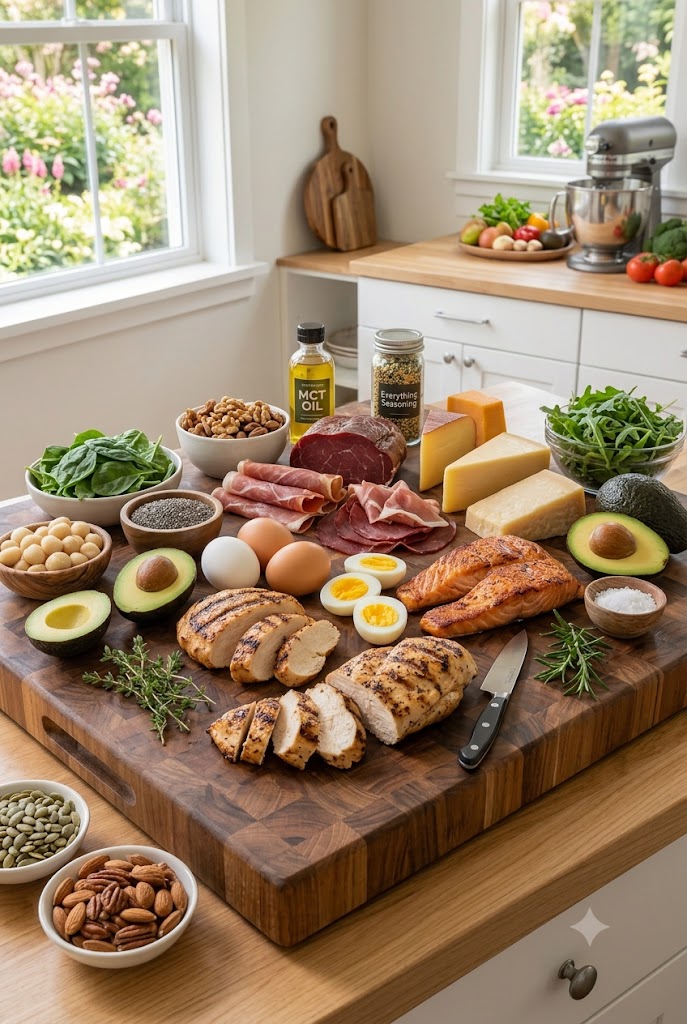
Many whole foods are naturally rich in protein and very low in carbohydrates. Excellent choices include chicken breast, turkey, lean beef, steak, salmon, tuna, shrimp, pork loin, eggs, and many cheeses. Greek yogurt and cottage cheese can also fit into a high-protein keto plan when you choose lower-carb varieties. Building your meals around these foods makes it much easier to hit your protein goals while staying within your carb limit.
Whether you’re just starting your high-protein keto journey or looking to optimize your results, these resources are here to help you stay informed, prepared, and confident every step of the way. Be sure to bookmark this page, download your free High-Protein Keto Toolbox, and check back often as I continue adding new guides, tips, and trusted product recommendations.
CONNECT WITH YUMMI HAUS!
Be sure to follow me on my social media, so you never miss a post!







Share Your Thoughts