

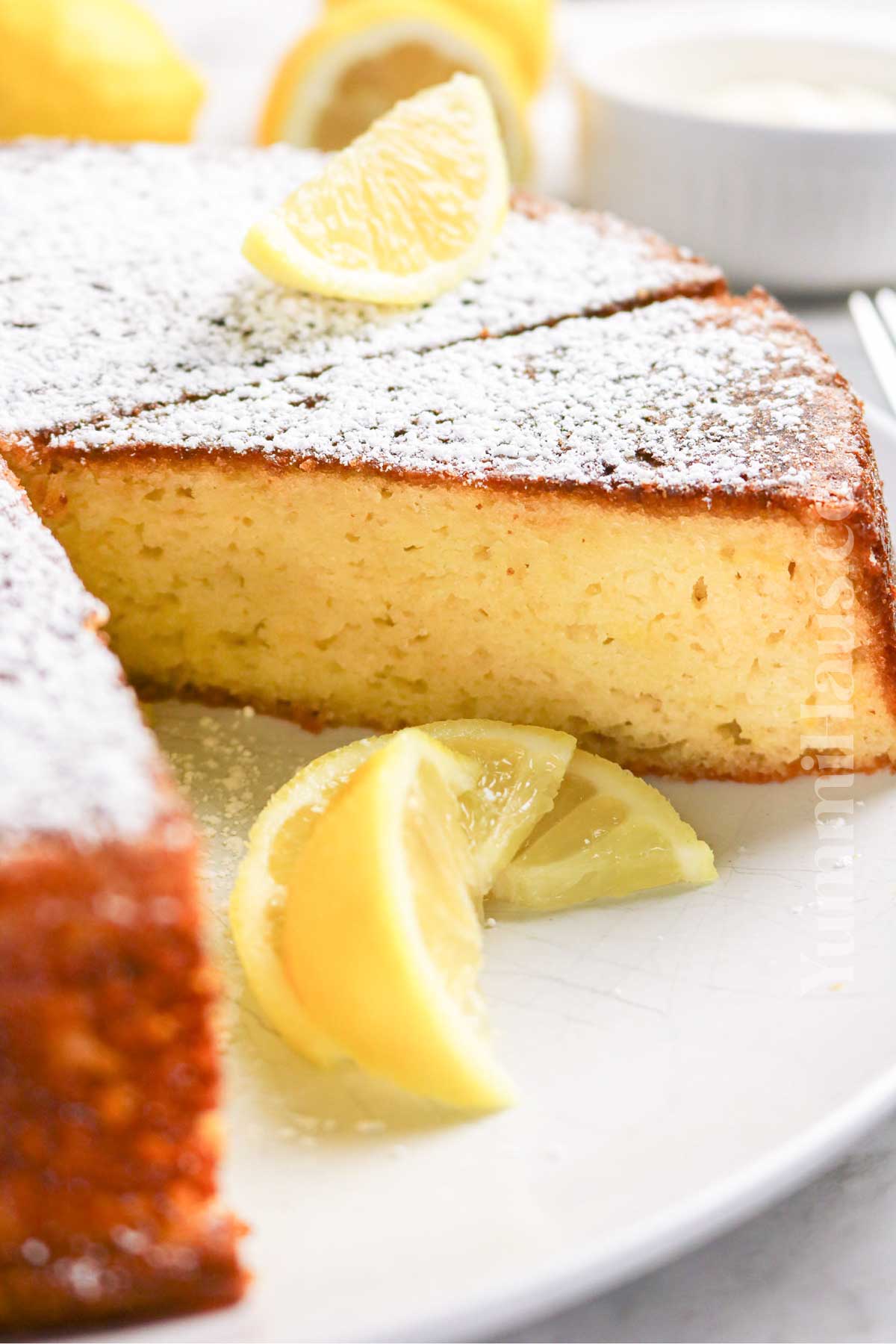
There’s something magical about Italian-inspired dessert recipes that manage to be both elegant and incredibly simple to make. This delicious lemon ricotta cake is exactly that kind of recipe. Light, bright, and wonderfully moist, it’s the perfect dessert for afternoon tea, a casual dinner party, or when you just want a small slice of this cake with your morning coffee. The ricotta cheese creates an incredibly tender crumb and fluffy texture that’s completely irresistible.
What I love most about this easy lemon ricotta cake is how it uses basic ingredients you probably already have in your kitchen. The combination of fresh lemon zest and whole milk ricotta creates a delectable cake that’s not too sweet but absolutely full of lemon flavor. Whether you bake it in a springform pan, bundt pan, or a simple cake pan, this Italian lemon ricotta cake is bound to become one of your go-to simple cake recipes.
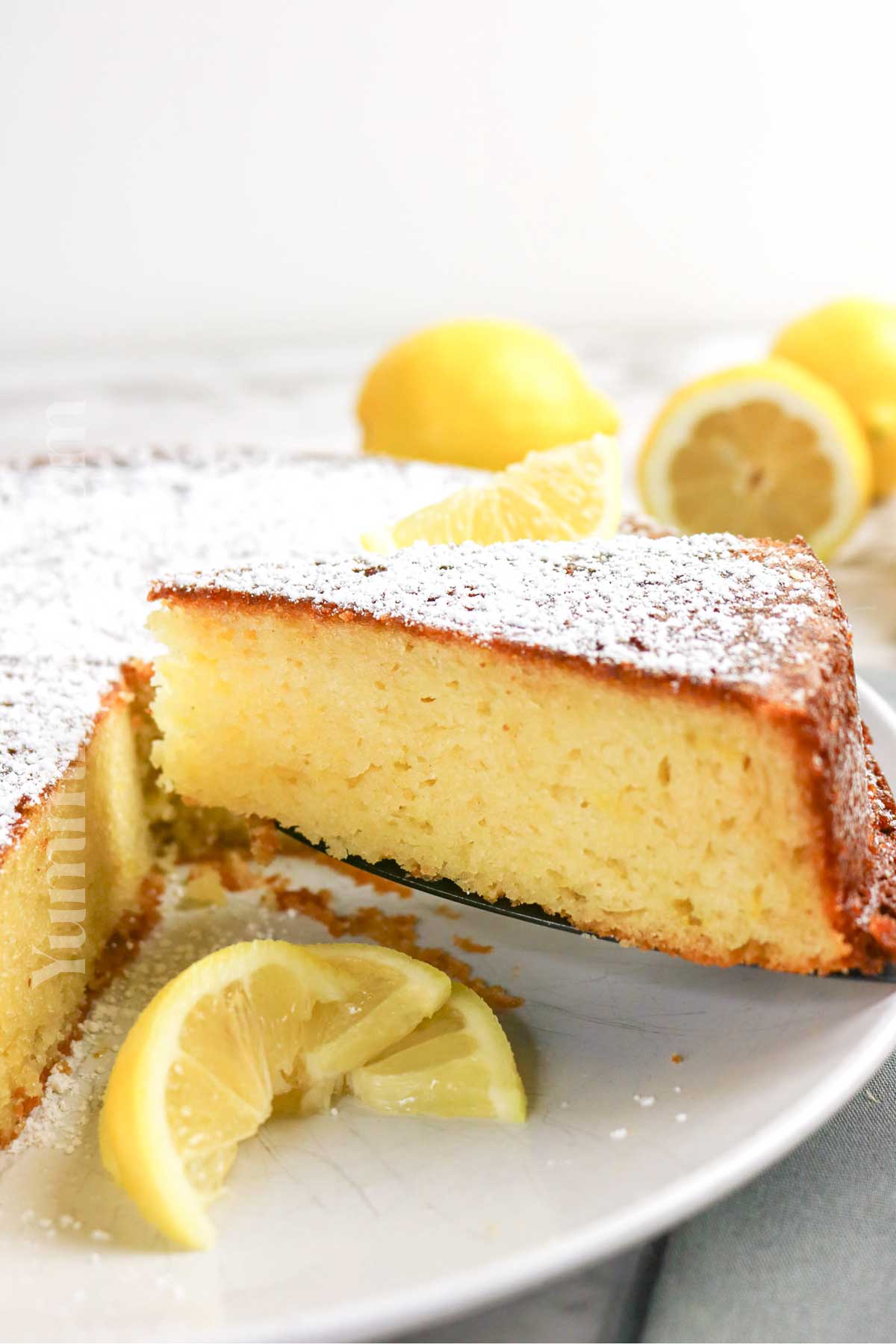
Gina’s Recipe Rundown:
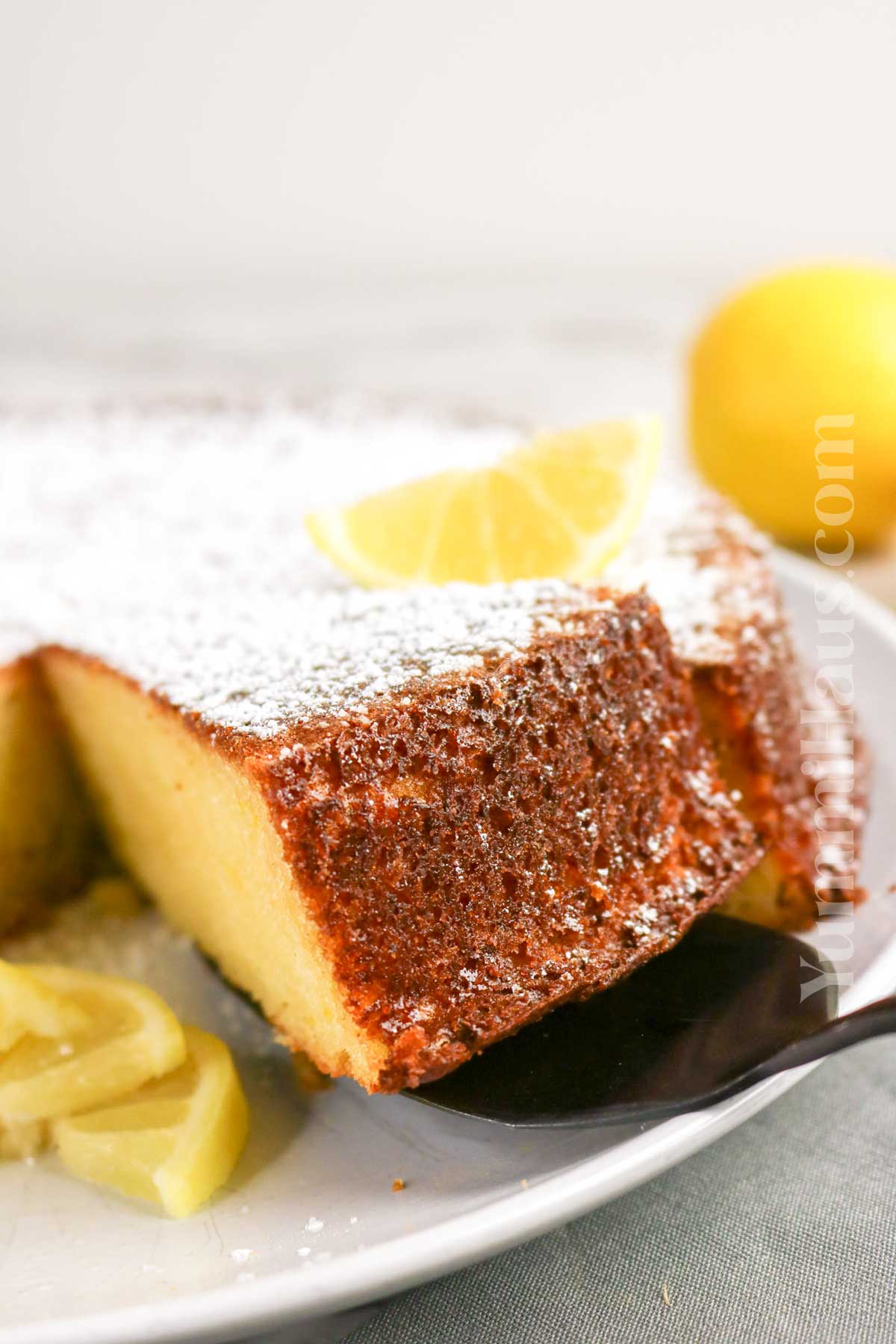
Texture: The cake is tender, moist, and light with a soft, slightly creamy crumb from the ricotta and a delicate, zesty lemon lift.
Taste: The cake has a bright, fresh lemon flavor balanced with subtle sweetness and a rich, creamy undertone from the ricotta, making each bite refreshing and indulgent.
Ease: This cake is surprisingly easy to make, with simple steps, common ingredients, and a method that keeps mixing and cleanup minimal.
Why I love it: I love this Lemon Ricotta Cake because it’s effortlessly moist, bursting with bright lemon flavor, and feels both comforting and elegant. Perfect for any occasion without ever feeling fussy.
Why You’ll Love This Recipe
This is honestly one of the best cake recipes I’ve made, and I keep coming back to it again and again. The moist texture is unlike any pound cake you’ve tried before. The ricotta keeps every bite of this cake feeling light and almost cloud-like, while still delivering that satisfying, tender crumb everyone loves.
The lemon flavor here is absolutely perfect. It’s bright and refreshing without being overpowering. You get beautiful, fresh lemon zest throughout the cake batter, and if you top it with a simple lemon glaze or even a bright lemony glaze, it becomes an especially lovely combination. Plus, this great recipe comes together quickly in just one large mixing bowl or with your stand mixer.
I also appreciate how versatile this simple recipe is. You can dress it up with fresh berries for a fancy occasion or keep it simple for a weekday treat. Either way, it tastes amazing. The whole milk ricotta gives it a moist cake texture that stays fresh for a couple of days, making it perfect for meal prep or when you need to bake ahead.

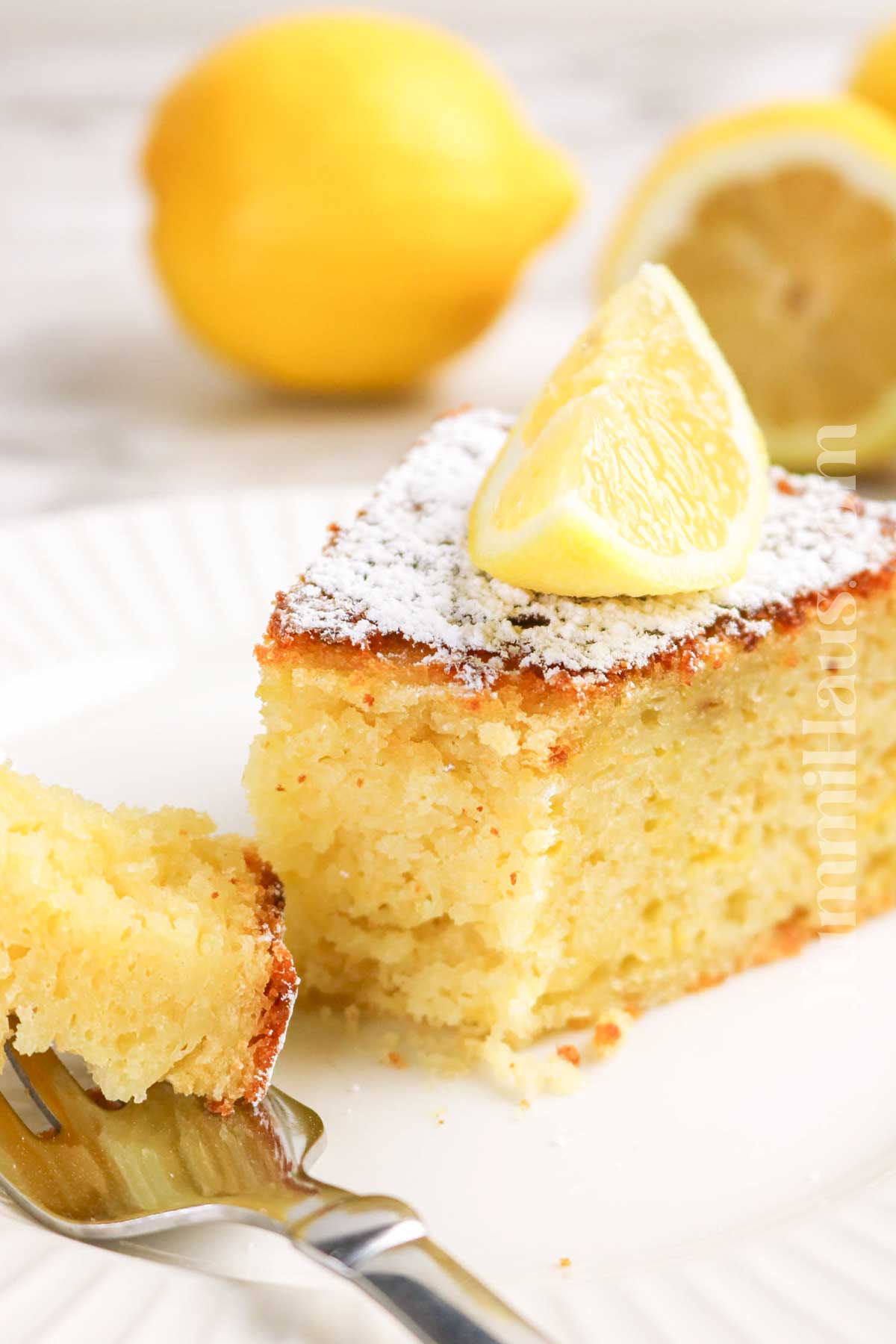
Ingredient Notes
- All-purpose flour – Provides structure and keeps the cake tender when combined with ricotta and oil.
- Baking powder – Helps the cake rise for a light, fluffy texture.
- Baking soda – Works with the acidity of the lemon to create extra lift and softness.
- Salt – Enhances flavor and balances the sweetness.
- Granulated sugar – Sweetens the cake and helps keep it moist.
- Lemons – You’ll use the zest for bright citrus flavor; fresh lemons make the biggest impact.
- Eggs – Bind the batter and add richness and moisture.
- Ricotta cheese – Creates a creamy, moist crumb and subtle richness—don’t substitute low-fat for the best texture.
- Vegetable oil – Keeps the cake soft and moist without adding heavy flavor.
- Milk – Adds moisture and helps the batter come together smoothly.
- Lemon juice – Provides acidity and enhances the lemon flavor; use fresh-squeezed if possible.
- Vanilla extract – Adds warmth and depth to the citrus flavor.
- Confectioner’s sugar – Used for dusting on top for a simple, elegant finish.
Kitchen Equipment
- Mixing bowls – For combining wet and dry ingredients separately.
- Measuring cups and spoons – To ensure accurate ingredient measurements.
- Microplane or fine grater – For zesting the lemons.
- Hand mixer or stand mixer – Helps blend the ricotta, sugar, and eggs until smooth.
- Rubber spatula – For folding ingredients and scraping the bowl clean.
- Whisk – Useful for mixing the dry ingredients.
- 9-inch round cake pan (or springform pan) – The ideal size for even baking.
- Parchment paper – To line the pan and prevent sticking.
- Cooling rack – Allows the cake to cool evenly.
- Small sieve – For dusting confectioner’s sugar over the finished cake.
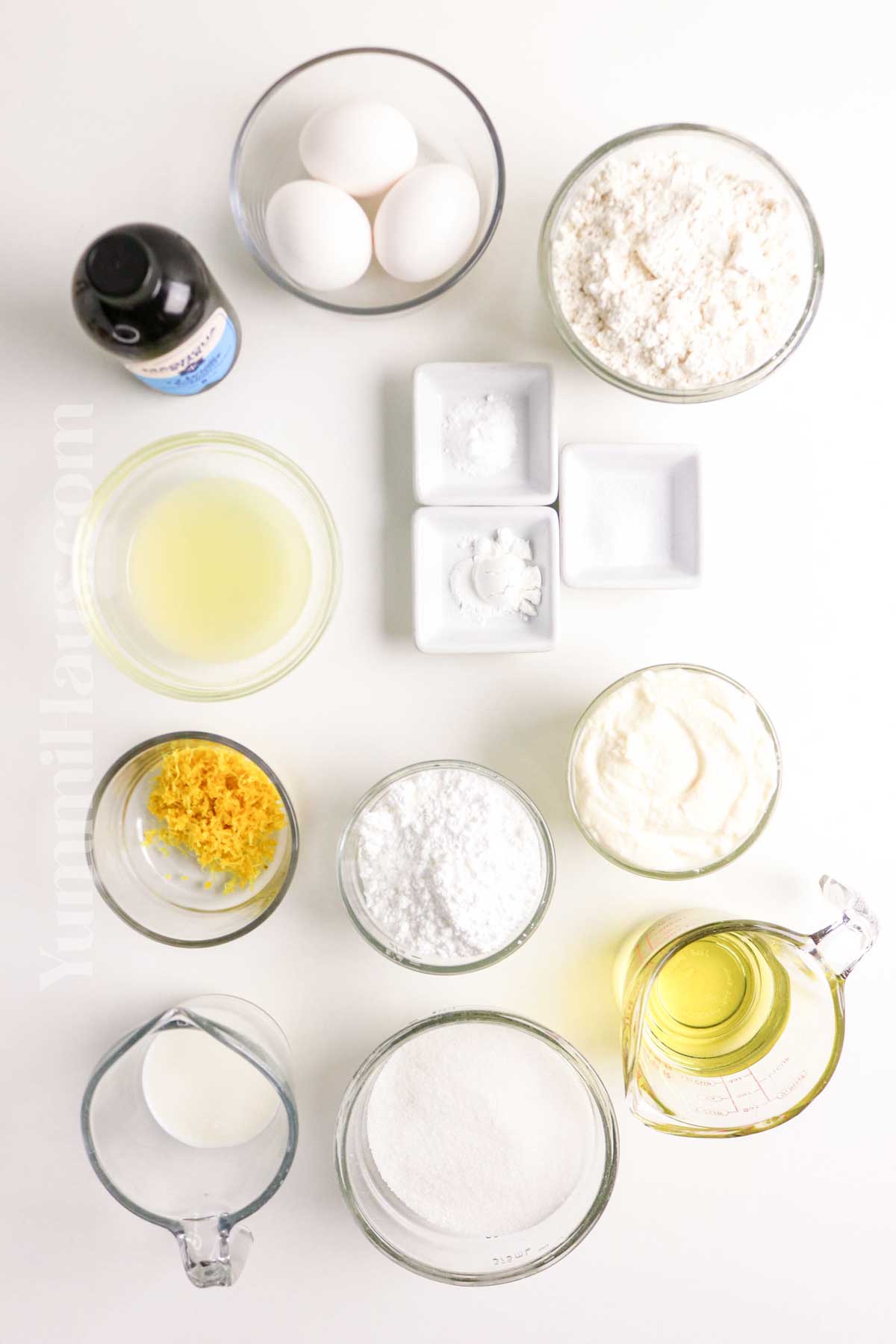
How to Make Lemon Ricotta Cake
- Preheat your oven to 350°F (175°C).
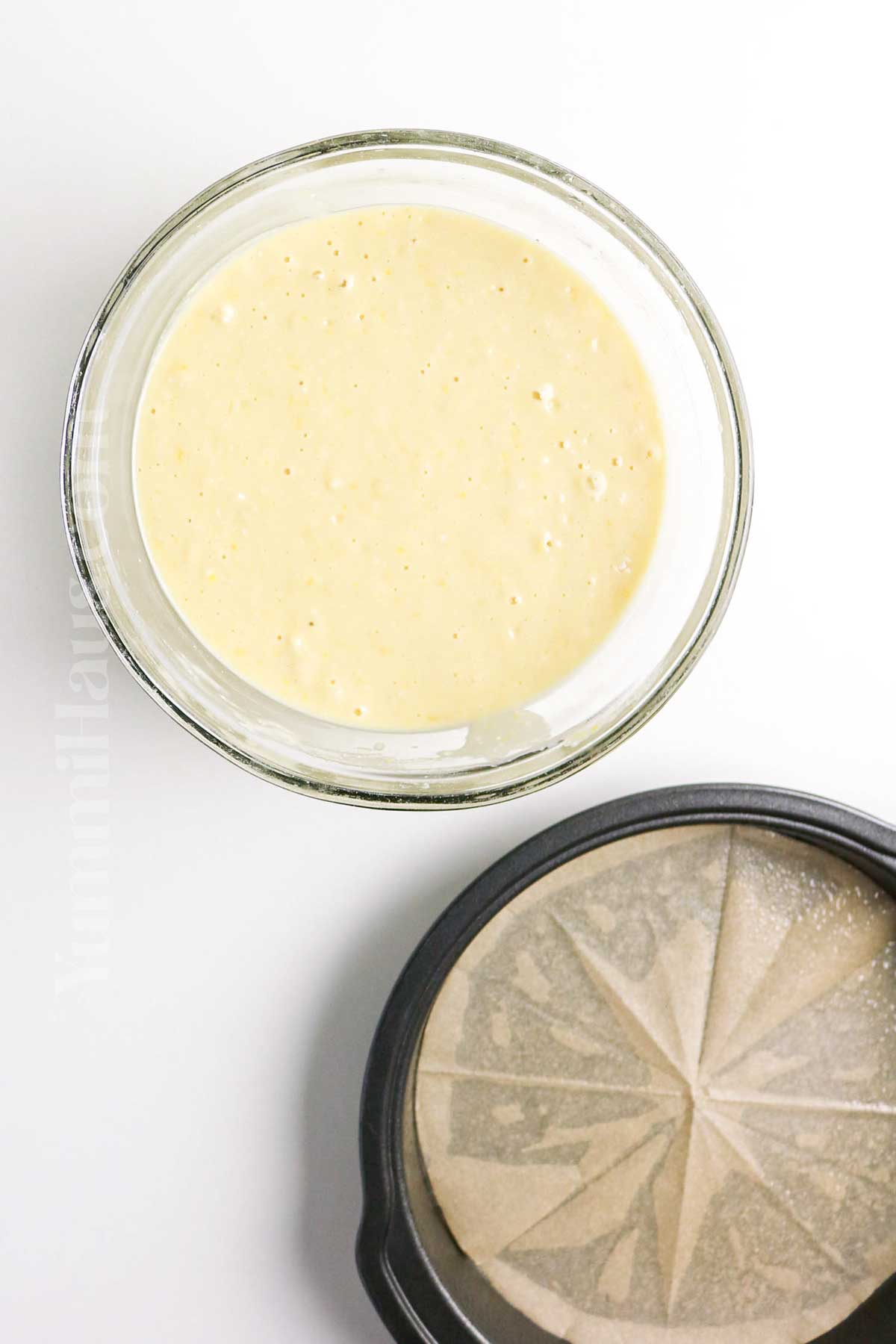
- Grease and flour a 9-inch round cake pan, or line it with parchment paper—whatever’s easiest for you.
- In a medium bowl, whisk together the flour, baking powder, baking soda, and salt. Set it aside for now.
- In a large bowl, mix the sugar with the lemon zest, rubbing the zest into the sugar to release all those lovely oils. Then add the eggs and whisk until everything is smooth and well combined.
- Stir in the ricotta, vegetable oil, milk, lemon juice, and vanilla extract until the batter is nice and creamy.
- Gradually fold in the dry ingredients, mixing just until combined—don’t overdo it, or your cake could get dense.
- Pour the batter into your prepared pan and smooth it out evenly.
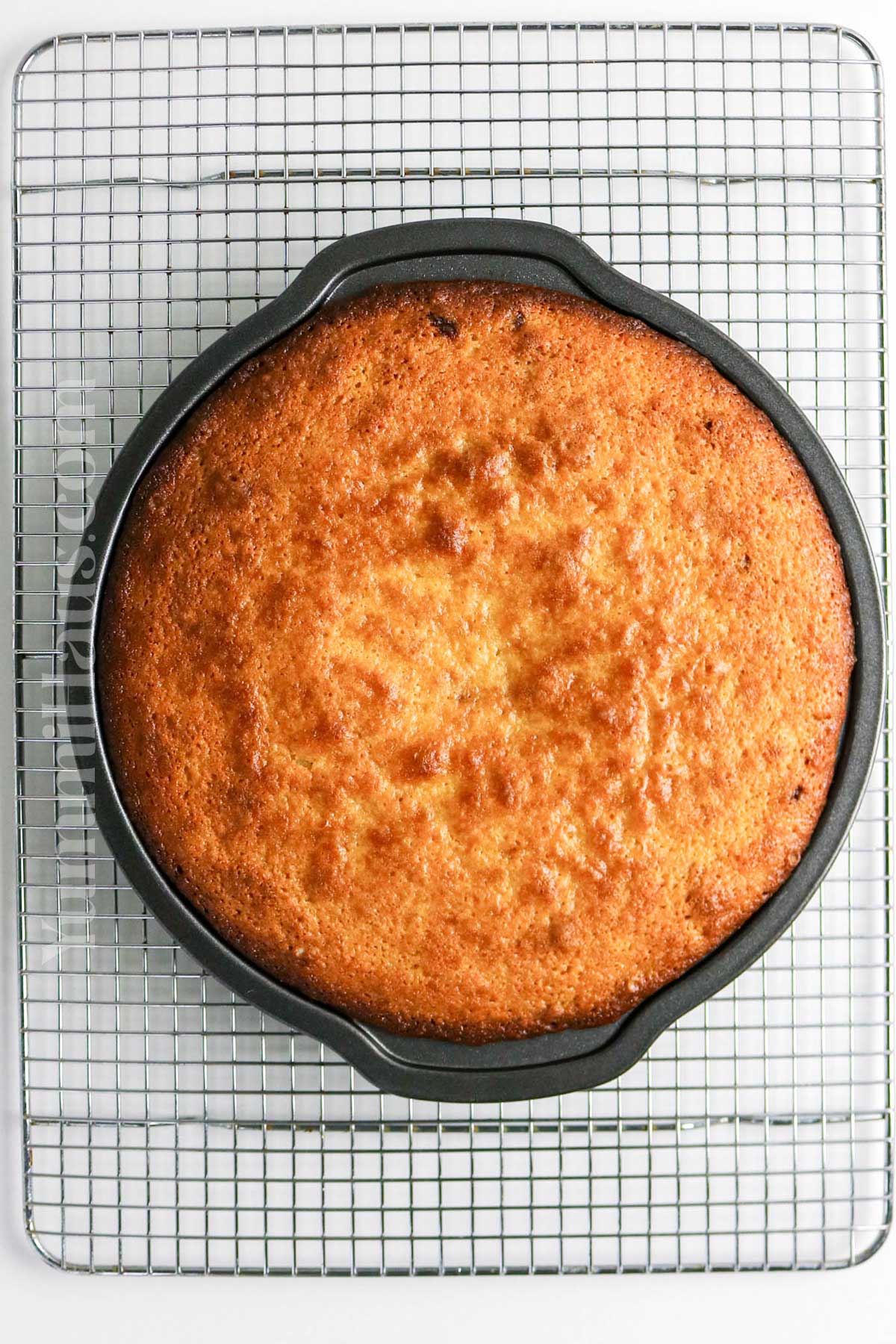
- Bake for 45–50 minutes.
- To check, stick a toothpick in the center—it should come out clean. Or gently press the center with your finger; if it springs back, you’re good to go.
- Let the cake cool in the pan for about 10 minutes, then flip it onto a wire rack to cool completely.
- Finish with a dusting of confectioner’s sugar for a simple, beautiful touch before serving.
Variations & Substitutions
Flavor Variations: While this cake is perfection as written in the original recipe, you can easily switch things up. Try adding orange zest instead of or alongside the lemon for a citrusy twist. A bit of vanilla extract enhances the overall flavor, and almond extract creates an especially lovely combination with the lemon.
Pan Options: As mentioned, this works as a lemon ricotta bundt cake, in a standard round pan, or even baked in an inch loaf pan for easy slicing. Just adjust your baking time accordingly. Bundt pans typically need a few extra minutes, while smaller pans might bake faster. Look for that golden brown top and test with a toothpick.
Ricotta Substitutions: For the best flavor, stick with whole milk ricotta if you can. However, part-skim ricotta works in a pinch, though the texture won’t be quite as rich. Some readers have asked about using cream cheese, but that changes the recipe significantly and makes it closer to cheesecake recipes rather than this lighter Italian lemon ricotta cake.
Gluten-Free Version: You can make a gluten-free version by substituting your all-purpose flour with a 1:1 gluten-free baking blend. The ricotta helps maintain that moist texture even in the gluten-free version.
Toppings: Beyond a simple lemon glaze made with powdered sugar and a cup of lemon juice, try serving with fresh berries, a dusting of powdered sugar, or even a lemon soaking syrup for extra moisture. What the French call “au citron et” style cakes often feature that lovely syrup-soaked quality.
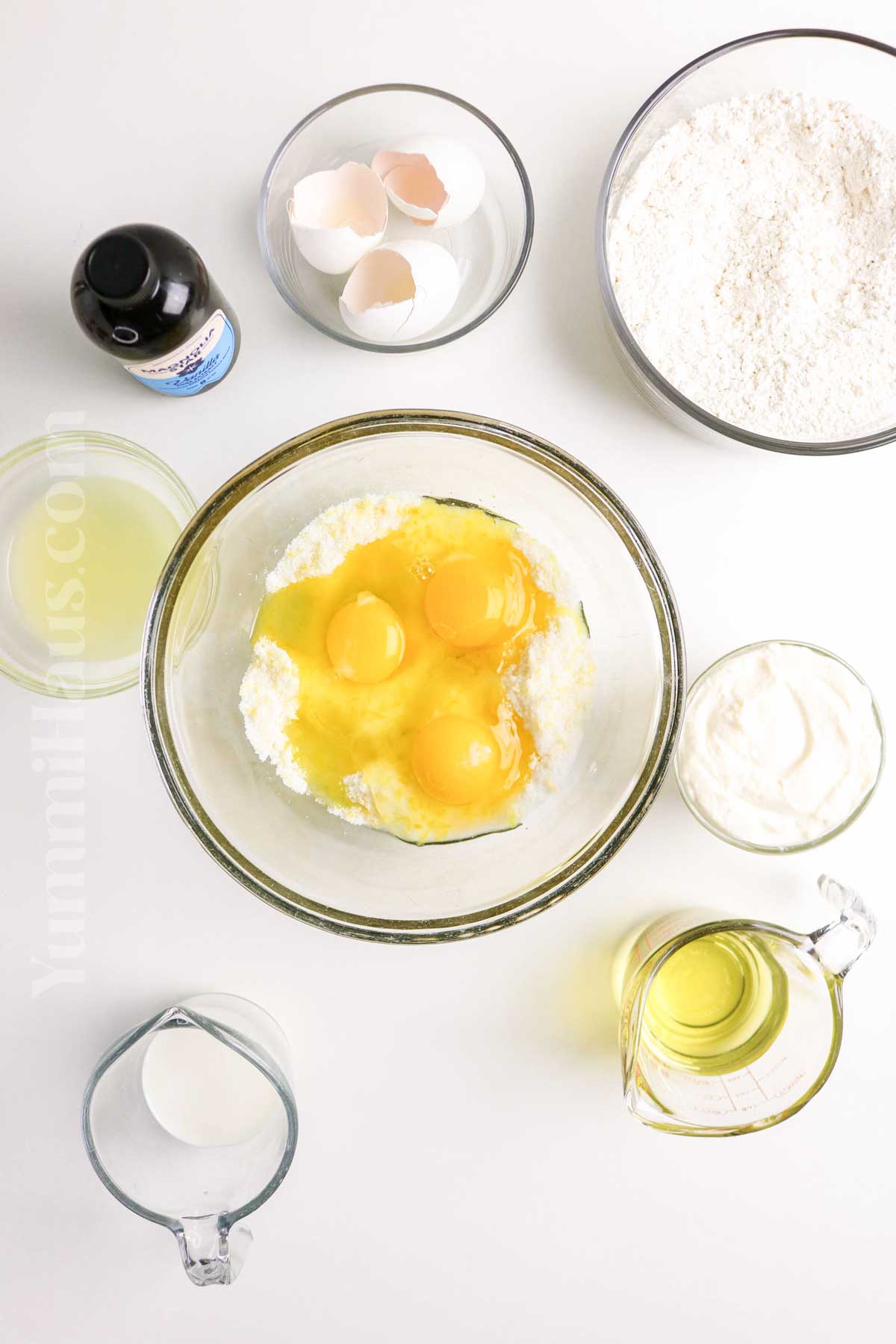
Storage
One of the best things about this moist cake is how well it keeps. Store your leftover cake (if there is any!) in an airtight container at room temperature for up to three days. The ricotta cheese actually helps keep the cake incredibly moist for a couple of days, so it tastes just as good on day two as it does fresh from the oven.
For longer storage, wrap individual slices or the entire cake tightly in plastic wrap, then place in an airtight container and refrigerate for up to five days. You can also freeze this cake for up to three months. Just let it thaw at room temperature before serving.
If you’ve added a lemon glaze or lemon sugar syrup to the top of the cake, store it in the refrigerator to prevent the glaze from getting too sticky. Let it come to room temperature about 30 minutes before serving for the best flavor and texture.
Expert Tips
Room Temperature Ingredients: This is crucial for the best cake texture. Make sure your ricotta cheese, eggs, and any butter are at room temperature before you start. Cold ingredients don’t incorporate as smoothly into the cake batter and can result in a denser texture. I usually set everything out about an hour before baking.
Don’t Overmix: Once you add your dry ingredients to the wet ingredients, mix on medium speed just until combined. Overmixing develops the gluten in the all-purpose flour and can make your cake tough instead of tender. Use your rubber spatula to gently fold and scrape the bottom of the bowl to ensure everything is incorporated.
Fresh is Best: Use fresh lemon zest from a large lemon for the brightest lemon flavor. Bottled lemon juice works in a pinch, but fresh is noticeably better. The oils in fresh lemon zest create an incredible aroma and taste that you just can’t get from dried or bottled versions.
Prepare Your Pan Properly: Whether using a springform pan, bundt pan, or cake pan, make sure to grease it well and line the bottom with parchment paper. For bundt pans especially, grease every ridge and groove to prevent sticking. This ensures your beautiful cake releases perfectly.
Check for Doneness: Every oven is different, so start checking your cake about 5 minutes before the suggested baking time. The top should be golden brown, and a toothpick inserted in the center should come out clean or with just a few moist crumbs. The cake should also pull away slightly from the sides of the pan.
Cool Completely: Let the cake cool in the pan for about 10-15 minutes, then turn it out onto a wire rack to cool completely. If you’re adding a glaze, make sure the cake is completely cool first; the glaze will just soak in and disappear.
La Ricotta Quality Matters: Since ricotta is a star ingredient here, use good-quality ricotta. Avoid the super watery kinds. If your ricotta seems wet, drain it in a fine-mesh strainer for 30 minutes before using.
FAQ’s
Why is my cake dense instead of fluffy?
The most common reasons are overmixing the batter or using cold ingredients. Make sure everything is at room temperature and mix just until combined. Also, make sure your baking powder is fresh, as old leavening agents won’t create that fluffy texture. Make sure you are measuring your dry ingredients properly. Scooping flour from the bag can add more flour than the recipe calls for.
Can I use low-fat ricotta?
You can, but whole milk ricotta gives you the best flavor and richest texture. Part-skim works okay, but fat-free ricotta may result in a drier cake.
What’s the difference between this and pound cake?
While both are delicious, traditional pound cake is much denser and richer. This Italian-inspired dessert is lighter and has a more delicate, tender crumb thanks to the ricotta cheese. It’s also not as sweet as most pound cakes.
Can I add mix-ins to this recipe?
Sure! Blueberries, raspberries, or even chocolate chips would be delicious. Just toss them in a bit of flour first to prevent them from sinking to the bottom of the batter.
If you love this lemon cake recipe, you’re going to love these other lemon cake recipes, too. Please click each link below to find the easy, printable recipe!
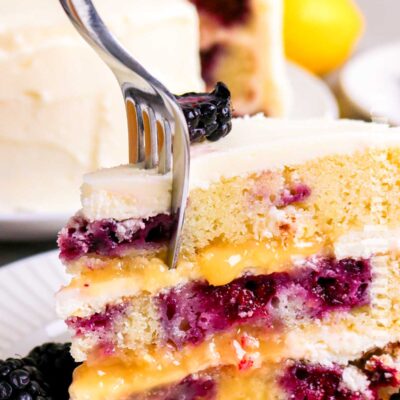
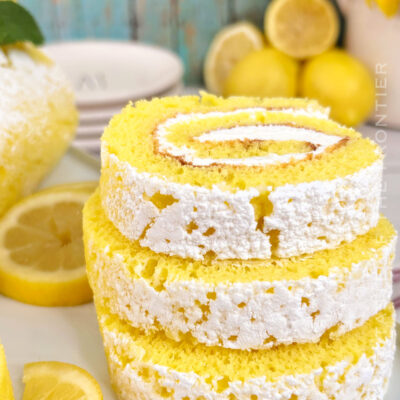
More Great Single Layer Cake Recipes
CONNECT WITH YUMMI HAUS!
Be sure to follow me on my social media, so you never miss a post!

Lemon Ricotta Cake

Ingredients
- 1 ¾ cups all-purpose flour
- 1 ½ tsp baking powder
- ½ tsp baking soda
- ¼ tsp salt
- 1 cup granulated sugar
- Zest of 2 lemons
- 3 large eggs
- 1 cup ricotta cheese
- ½ cup vegetable oil
- ¼ cup milk
- 2 tbsp fresh lemon juice
- 1 tsp vanilla extract
Confectioner’s sugar, for dusting (optional)
Instructions
- Preheat the oven to 350°F (175°C).
- Grease and flour a 9-inch round cake pan, and/or line it with parchment paper.
- Stir the flour, baking powder, baking soda, and salt together in a medium bowl. Set aside.
- Whisk the sugar and lemon zest together in a large bowl, working the zest into the sugar to release oils, then whisk in the eggs until smooth.
- Stir in the ricotta, oil, milk, lemon juice, and vanilla until well combined.
- Gradually fold the dry ingredients into the wet ingredients until just combined. Do not overmix.
- Transfer the batter into the prepared pan in a smooth, even layer.
- Bake for 45–50 minutes, or until the toothpick test comes out clean. You can also test by gently pressing the center of the cake with your finger. If it springs back, the cake is done.
- Cool in the pan for 10 minutes, then flip it out onto a wire rack to cool completely.
Dust with confectioner’s sugar before serving to decorate, as desired.
Nutrition
Nutritional information for the recipe is provided as a courtesy and is approximate. Please double-check with your own dietary calculator for the best accuracy. We at Yummi Haus cannot guarantee the accuracy of the nutritional information given for any recipe on this site.







Share Your Thoughts