

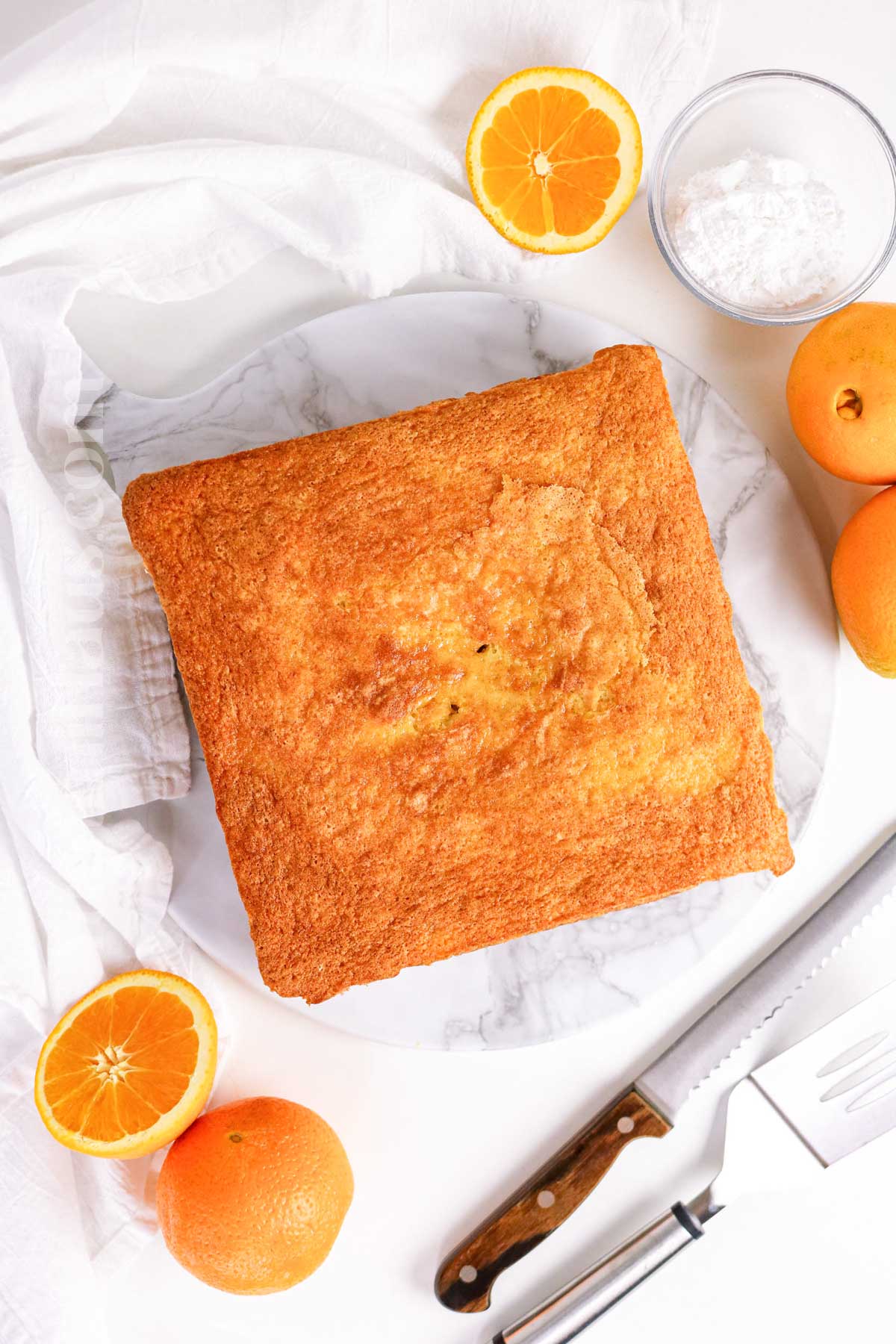
There’s something magical about a homemade orange cake that fills your kitchen with the bright, sunny aroma of fresh oranges. This easy orange cake recipe delivers incredible fresh orange flavor in every bite, creating a tender crumb that’s both light and satisfying. Whether you’re using oranges from your backyard orange trees or picked up from the market, this citrusy cake brings a taste of orange groves right to your table.
This moist recipe is surprisingly simple to make with basic ingredients you probably already have on hand. The combination of fresh orange juice and fresh orange zest creates such a vibrant taste that you’ll find yourself making this kind of cake again and again. It’s perfect for special occasions or just because you’re craving something sweet with a fresh flavor that’s hard to resist.
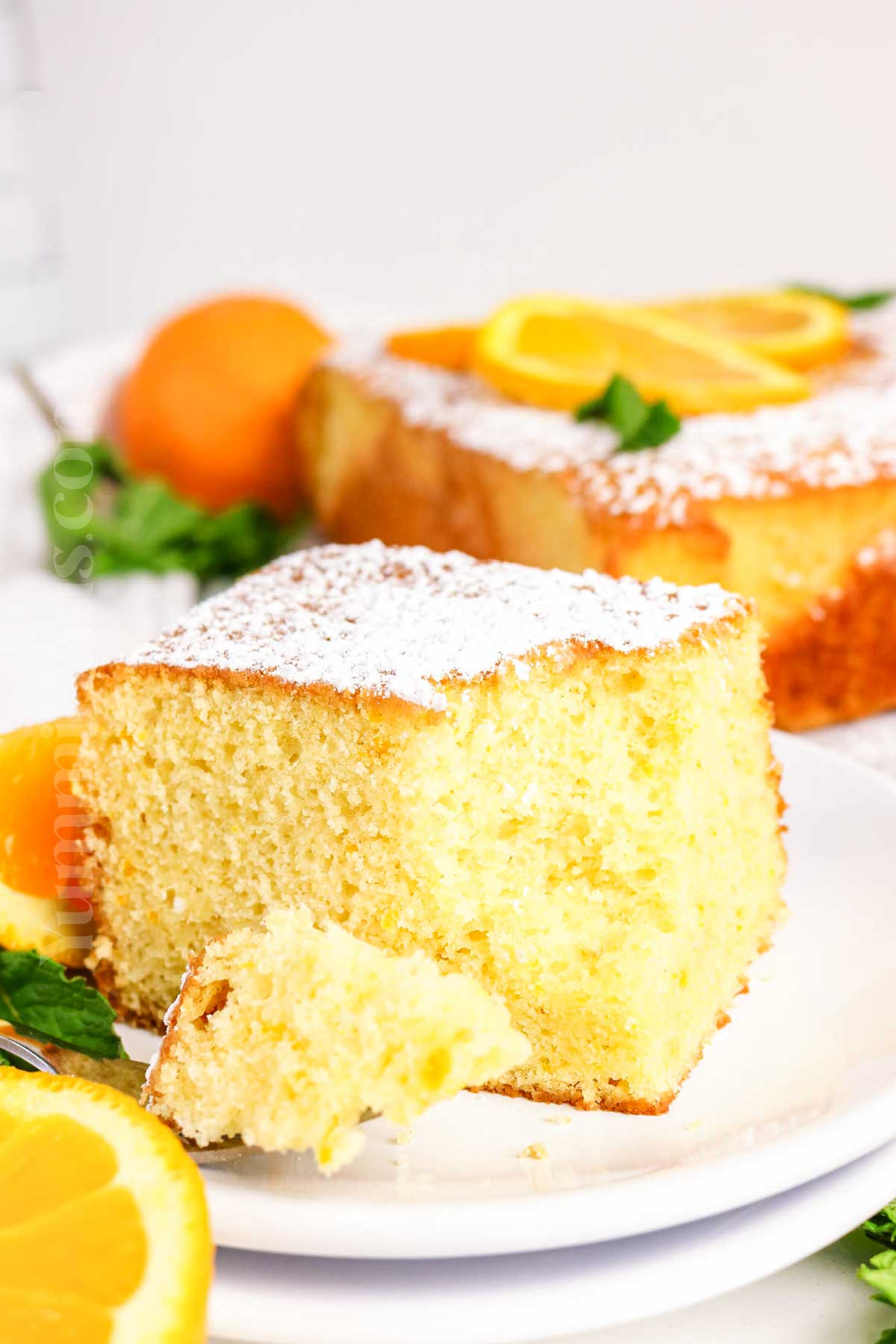
Gina’s Recipe Rundown:
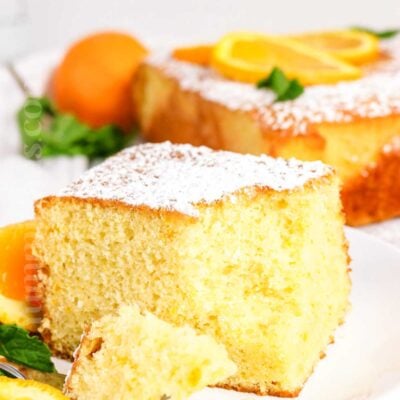
Texture: This cake has a light, airy texture with a soft, moist crumb that melts in your mouth with every bite.
Taste: It has a bright, citrusy flavor with a perfect balance of sweetness and fresh orange zest, finished with a soft, buttery richness that lingers pleasantly on the palate.
Ease: Simple to make with straightforward steps and basic ingredients, making it beginner-friendly while still delivering bakery-quality results.
Why I love it: I love this orange cake because it’s incredibly soft, full of fresh citrus flavor, and easy to make, yet it always feels special enough to share with family and friends.
Why You’ll Love This Recipe
This is truly the best cake for orange lovers. The fresh orange flavor shines through without being overpowering, and the tender cake texture is absolutely perfect. You’ll get moist crumbs every single time thanks to the foolproof method that combines wet ingredients and dry ingredients properly.
The cake batter comes together quickly, and you don’t need fancy equipment or complicated techniques. Just mix, pour into your prepared pan, and bake.
The bright orange flavor makes this cake feel like sunshine on a plate. Plus, it stays moist for days when stored properly, making it a great make-ahead option. Trust me, this will become your go-to recipe whenever you want something that tastes fresh, flavorful, and just a little bit special.


Ingredient Notes
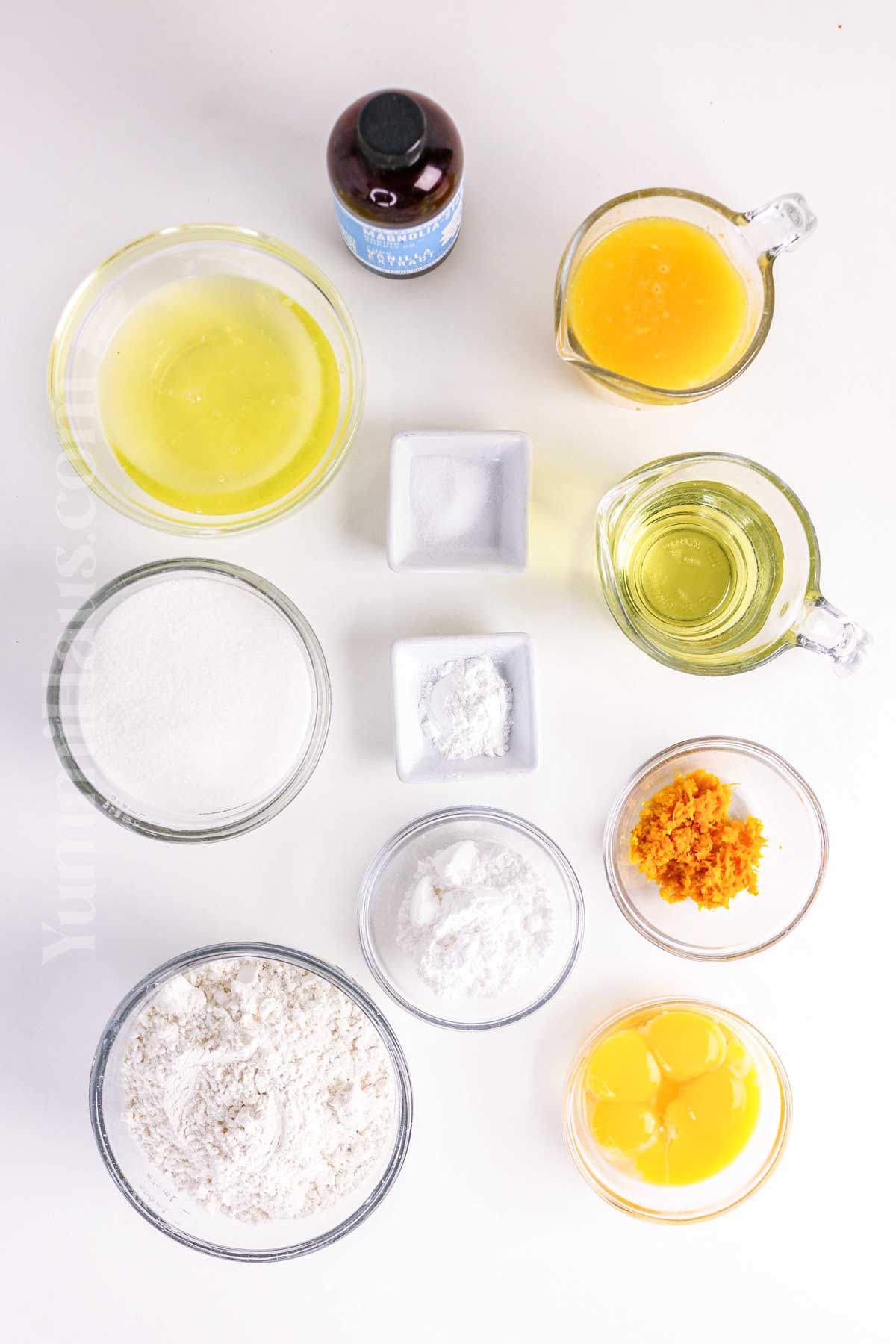
- Large eggs, room temperature and separated – Separating the eggs creates a lighter, fluffier texture. Room-temperature eggs whip more easily and incorporate better into the batter.
- Granulated sugar – Provides sweetness and helps create a tender crumb while stabilizing the whipped egg whites.
- Kosher salt – Enhances the orange flavor and balances the cake’s sweetness.
- Vanilla extract – Adds warmth and depth, complementing the bright citrus notes.
- Cooking oil (vegetable, canola, or coconut) – Keeps the cake exceptionally moist. Use a neutral-flavored oil for the best orange flavor; melted coconut oil adds a subtle tropical note.
- Orange zest, finely grated – Delivers concentrated citrus aroma and flavor. Use only the colored outer peel, avoiding the bitter white pith.
- Fresh orange juice – Provides natural sweetness, moisture, and vibrant orange flavor. Freshly squeezed juice is highly recommended.
- All-purpose flour – Forms the structure of the cake while maintaining a soft, tender crumb.
- Baking powder – Helps the cake rise and creates a light, airy texture.
For Serving
- Confectioners’ sugar – A simple dusting adds a beautiful finish and a touch of sweetness.
- Sliced oranges – Fresh orange slices make an attractive garnish and enhance the citrus presentation.
- Mint leaves – Add a pop of color and a refreshing contrast to the sweet orange cake.
Kitchen Equipment
- Mixing bowls
- Measuring cups and measuring spoons
- Electric hand mixer or stand mixer
- Citrus zester or microplane
- Citrus juicer
- Whisk
- Rubber spatula
- Fine-mesh sieve (for sifting flour and dusting confectioners’ sugar)
- 9×9-inch square cake pan
- Parchment paper
- Cooling rack
- Sharp knife and cutting board (for slicing oranges)
- Toothpick or cake tester (to check doneness)
How to Make Orange Cake
- Start by preheating your oven to 325°F (165°C). Line a 9×9-inch baking pan with parchment paper and set it aside.
- In a large mixing bowl, beat the egg whites on medium speed until they become foamy. Gradually add the sugar, then increase the speed to high and continue beating until thick, glossy peaks form.
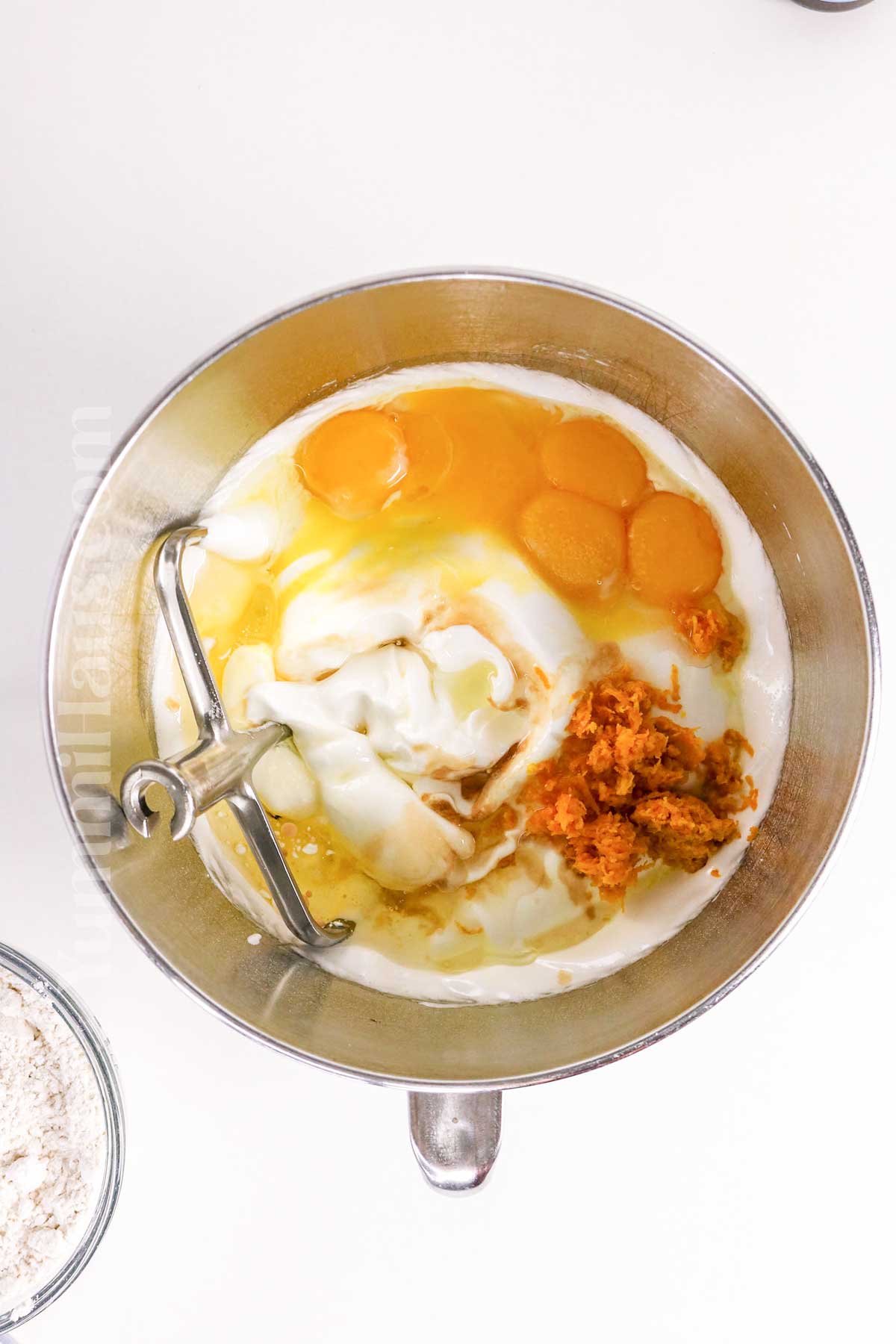
- Reduce the mixer speed to low and slowly pour in the orange juice. Add the egg yolks, orange zest, vanilla extract, salt, and oil, mixing just until everything is combined.
- In a separate bowl, whisk together the flour and baking powder. This helps aerate the flour and removes any lumps. Gently add the flour mixture to the wet ingredients, mixing only until no streaks of flour remain. Be careful not to overmix.
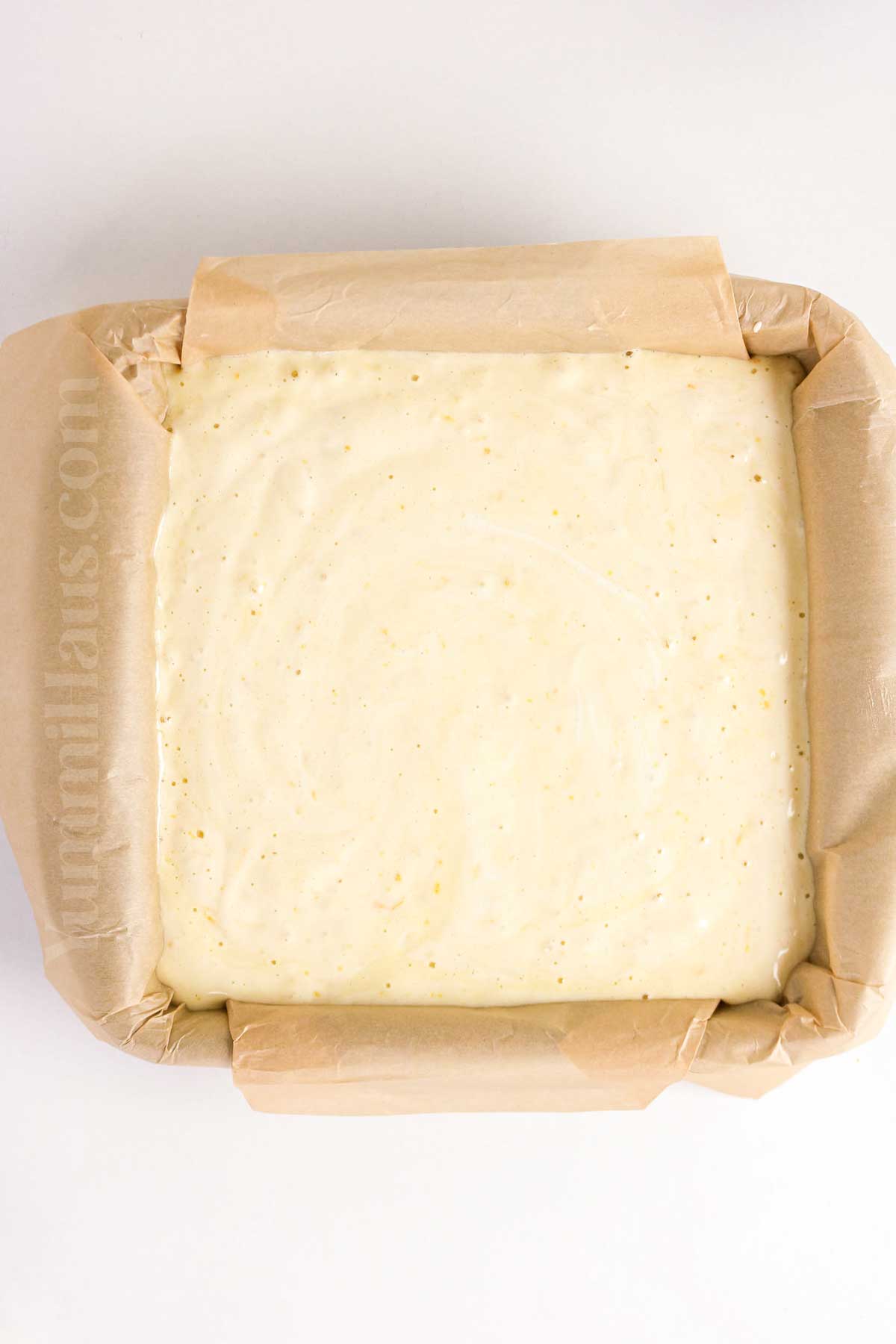
- Pour the batter into the prepared pan and spread it evenly with a spatula.
- Bake for 40–45 minutes, checking for doneness around the 35-minute mark. The cake is ready when a toothpick inserted into the center comes out clean and the top springs back lightly when touched.
Variations & Substitutions
Flour Options: You can substitute the purpose flour with gluten-free flour using a 1:1 blend for best results. Just be aware it might need slightly less time in the oven.
Sweetener Swaps: While granulated sugar works great, you can use brown sugar for a deeper, more caramel-like flavor. For the glaze, powdered sugar mixed with fresh orange juice creates a perfect sweet orange glaze.
Orange Types: While regular fresh oranges work perfectly, blood oranges add a gorgeous color and slightly different flavor profile.
Flavor Boosters: An orange syrup brushed on while warm keeps everything moist.
Frosting Options: Try orange cream cheese frosting, whipped cream, or a simple glaze.
Storage
Once your cake cools completely on a wire rack, you can store it at room temperature in an airtight container for up to three days. Make sure it’s completely cool before covering, or condensation will make the top of the cake soggy.
For longer storage, wrap individual slices or the whole cake tightly in plastic wrap, then place in an airtight container and refrigerate for up to a week. The cake actually tastes even better the next day as the flavors develop and meld together.
You can also freeze this whole cake for up to three months. Wrap it well in plastic wrap and then in aluminum foil. Thaw overnight in the refrigerator before serving.
Expert Tips
Bring Ingredients to Room Temperature: Make sure your large eggs are at room temperature before starting. This helps create a smooth cake batter that bakes evenly into a tender cake.
Don’t Overmix: When combining your dry ingredients with your wet ingredients, mix just until combined. Overmixing develops gluten and can make your cake tough instead of achieving that perfect tender crumb.
Measure Flour Correctly: Too much flour is the enemy of a moist cake. Spoon your flour mixture into your measuring cup and level it off rather than scooping directly from the bag.
Use Fresh Citrus: The fresh orange flavor from real fresh orange juice and zest beats bottled juice any day. It’s worth the extra few minutes to juice your own fresh oranges.
Check for Doneness: Insert a cake tester into the middle of the cake. It should come out with just a few moist crumbs clinging to it, not wet batter. Remember, it will continue cooking slightly as it cools.
Prepare Your Pan Well: Grease and flour or line your prepared pan with parchment paper to ensure easy removal. Nothing’s worse than a stuck cake.
Mix at the Right Speed: Use medium speed on your mixer for most steps. Too high and you’ll incorporate too much air; too low and ingredients won’t blend properly.
Cool Completely: Let the cake cool in the pan for about 10 minutes, then turn out onto a wire rack to cool completely before frosting or glazing.
FAQ’s
Why is my cake dry?
The most common causes are too much flour or overbaking. Make sure to measure flour correctly and check for doneness a few minutes before the recommended time.
What mixer attachment should I use?
If using a stand mixer, the paddle attachment works best for mixing the batter. Switch to the whisk attachment if you’re making whipped cream or a lighter frosting to go on top.
If you love this cake recipe, you’re going to love these other single-layer cake recipes, too. Please click each link below to find the easy, printable recipe!


More Great Orange Recipes

CONNECT WITH YUMMI HAUS!
Be sure to follow me on my social media, so you never miss a post!


Orange Cake

Ingredients
- 5 large eggs room temperature and separated
- 1 ¼ cups granulated sugar
- 1 cup orange juice – fresh
- ¾ cup cooking oil vegetable, canola, coconut
- 2 tablespoons orange zest – finely grated
- 1 teaspoon vanilla extract
- ½ teaspoon kosher salt
- 2 ¼ cups all-purpose flour
- 2 teaspoons baking powder
For serving:
Confectioner’s sugar
Sliced oranges
Mint leaves
Instructions
- Preheat the oven to 325°F and line a 9×9-inch pan with parchment paper.
- Beat the egg whites in a large bowl, on medium speed.
- Slowly add the sugar, then increase to high speed and whip until thick, glossy peaks form.
- Reduce the mixer to low/stir and slowly add the orange juice, oil, egg yolks, orange zest, vanilla extract, and salt, mixing just until combined.
- Combine the flour and baking powder in a bowl and stir a whisk through it to aerate and remove lumps.
- Slowly blend the flour mixture into the batter, working it only until the flour is just incorporated into the batter.
- Transfer to the prepared pan, spreading the batter into an even layer.
- Bake the cake for 40–45 minutes. Start checking it around the 35-minute mark; the cake is done when a toothpick comes out clean and the top springs back lightly when touched.
Notes
Nutrition
Nutritional information for the recipe is provided as a courtesy and is approximate. Please double-check with your own dietary calculator for the best accuracy. We at Yummi Haus cannot guarantee the accuracy of the nutritional information given for any recipe on this site.







Share Your Thoughts