
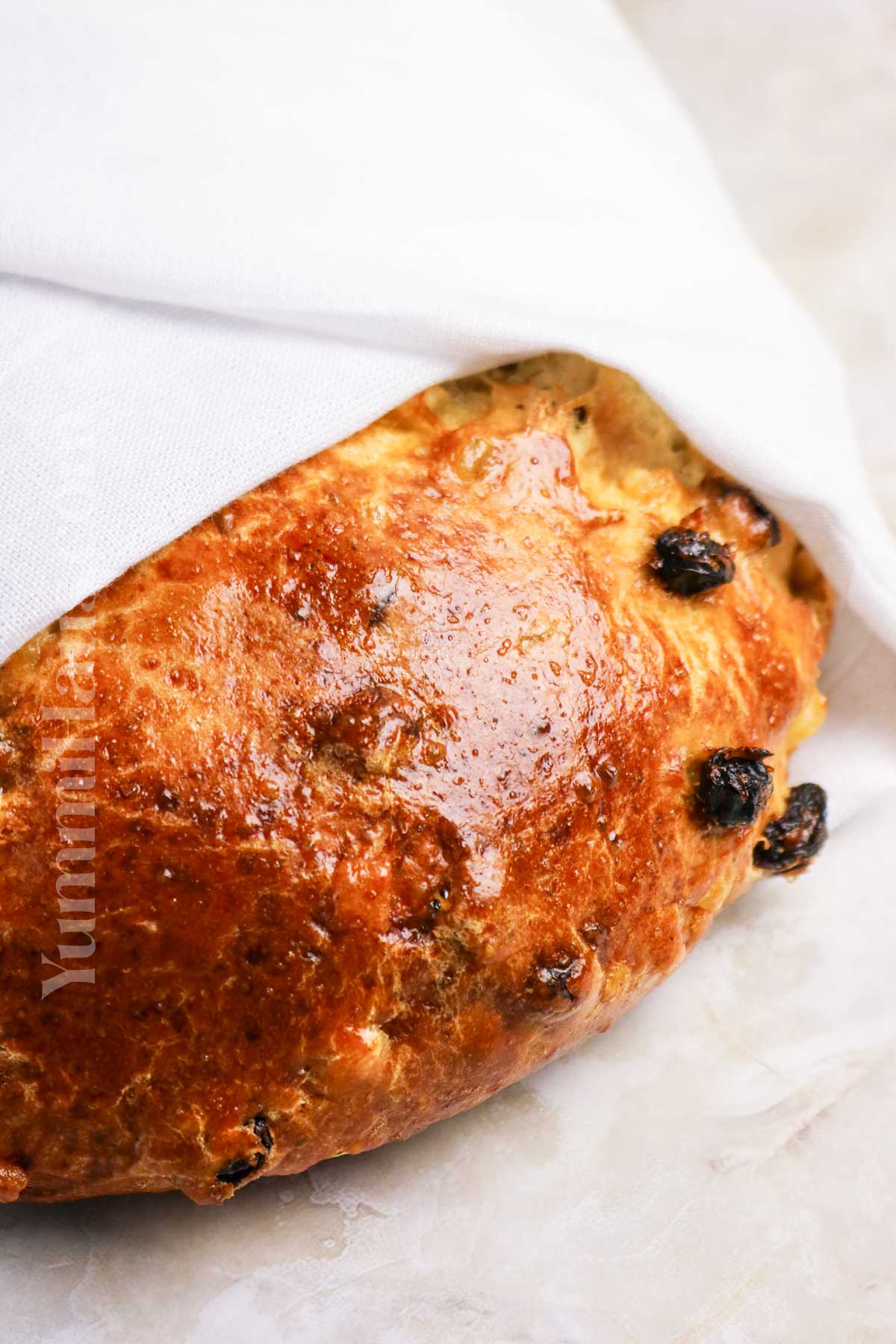
Let me tell you about one of my absolute favorite Christmas traditions – making Julekake, Norway’s beloved holiday bread. If you’ve never heard of it, think of it as Scandinavia’s answer to Italian panettone, but with its own unique charm. This slightly sweet, cardamom-scented bread is studded with candied fruit and raisins. It is the kind of thing that makes your whole house smell amazing and has everyone wandering into the kitchen asking, “What are you making?”
I’ll be honest – the first time I made Julekake, I was a little intimidated. Yeast breads can seem tricky (especially in a cold climate), but this one is actually pretty forgiving. Plus, there’s something incredibly satisfying about kneading dough and watching it rise. It’s almost meditative, you know? And the payoff? A beautiful golden loaf that’s perfect for Christmas morning breakfast, afternoon coffee breaks, or even toasted with a smear of butter on a lazy winter evening.
Gina’s Recipe Rundown:
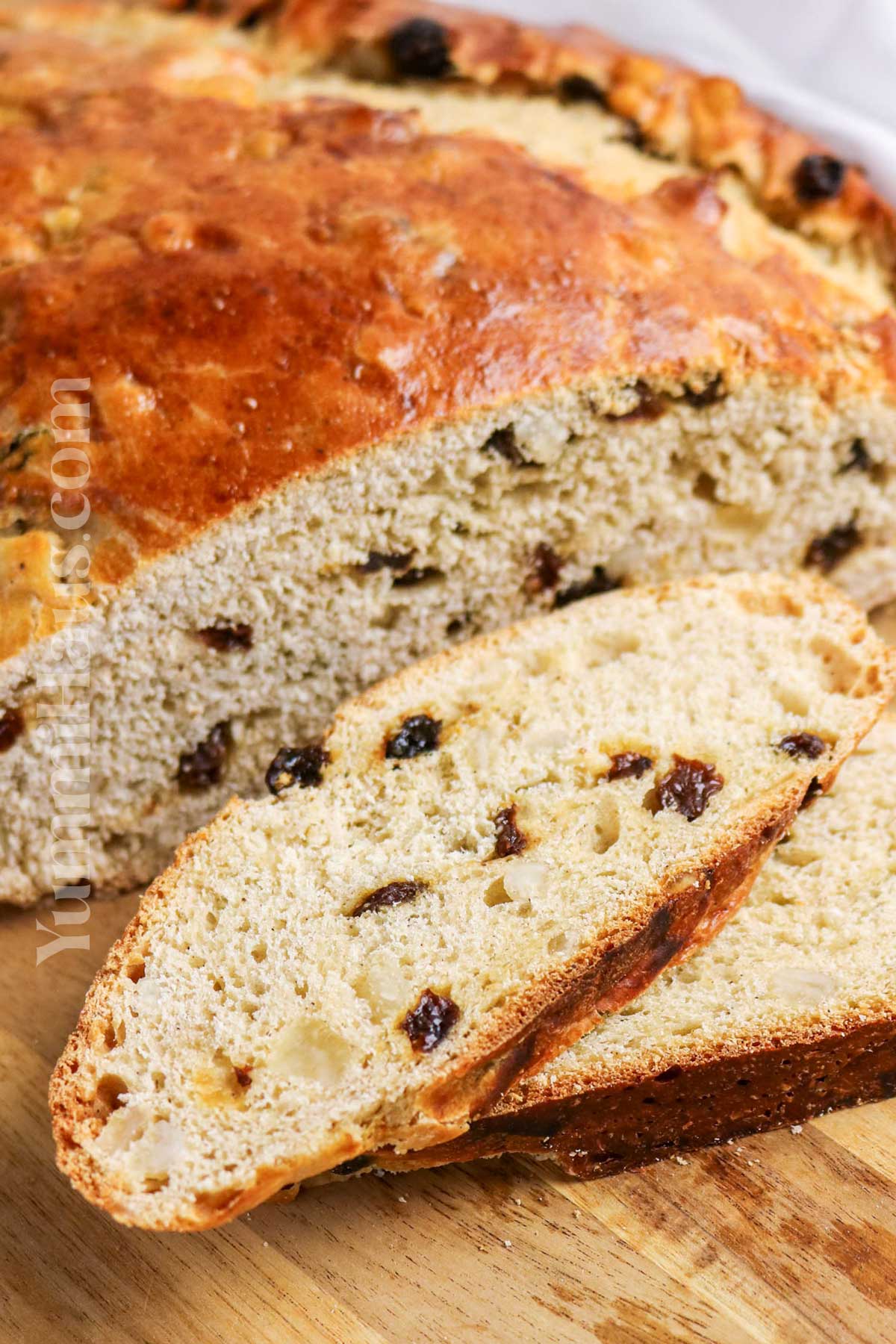
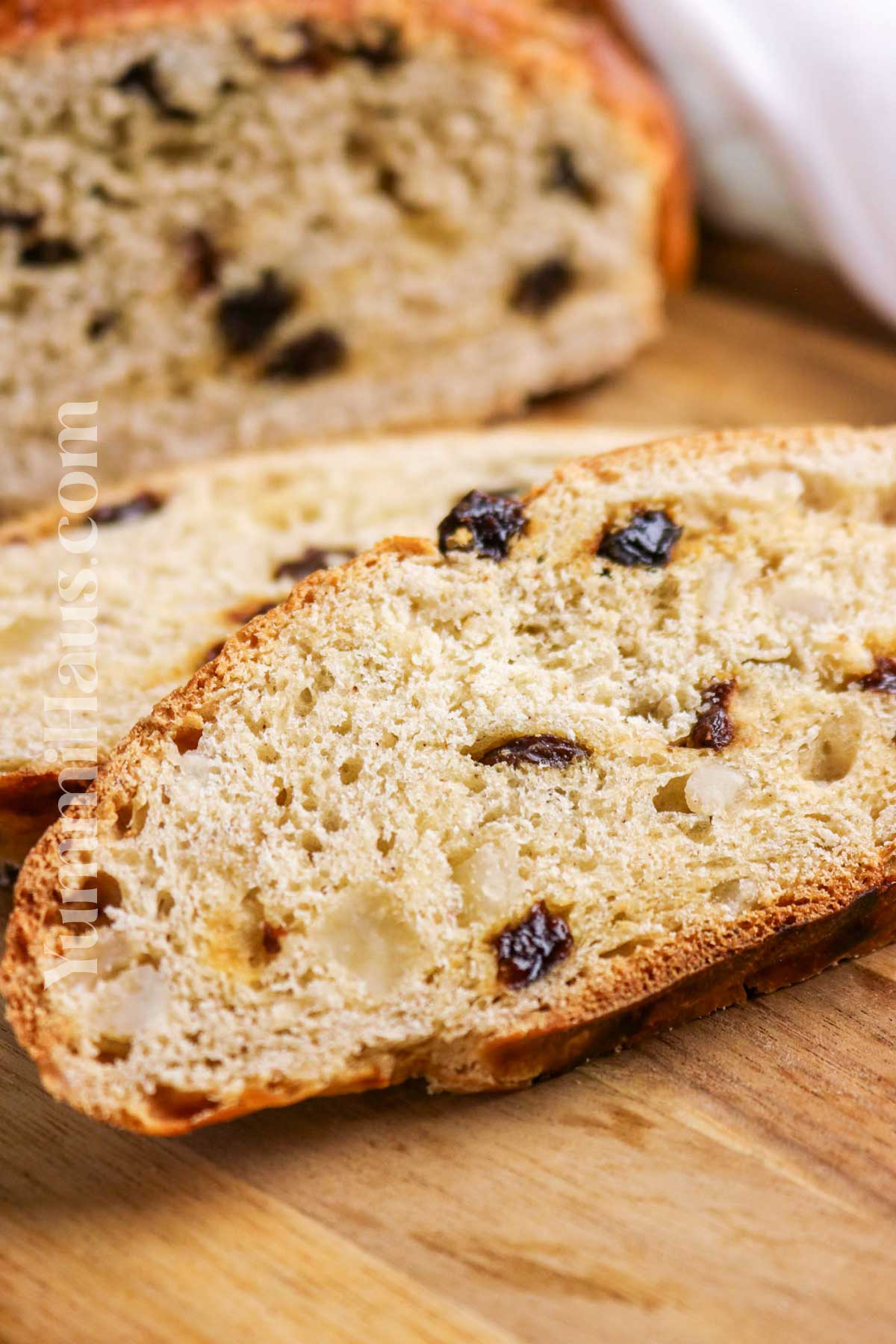
Texture: The crumb of Julekake is soft, tender, and slightly fluffy, with a light chew from the raisins and a subtle bite from the candied citrus peel.
Taste: Julekake is lightly sweet with warm, aromatic notes of cardamom and a subtle buttery richness.
Ease: Julekake is surprisingly approachable for a festive bread! Most of the work is waiting for the dough to rise, so the active prep time is fairly short. With basic kitchen equipment and a little patience, even beginner bakers can pull off this soft, aromatic holiday loaf.
Why I love it: It smells like Christmas the moment it comes out of the oven, and every slice feels like a little festive treat. Perfect for breakfast, snacks, or sharing with loved ones!
What Makes Julekake Special?
So what exactly is Julekake? The name literally translates to “Christmas cake” or “Yule cake” in Norwegian, though it’s definitely more bread than cake. The signature flavor comes from cardamom – that warm, slightly citrusy spice that’s huge in Scandinavian baking. Mixed in with the dough, you’ll find golden raisins and candied citrus peel (usually orange and sometimes lemon), which add little pops of sweetness throughout.
The texture is wonderfully soft and slightly sweet – not dessert-level sweet, but just enough to make it feel special. It’s traditionally enjoyed sliced and buttered, often alongside coffee or tea. In Norway, it’s a staple during the Christmas season, and honestly, once you try it, you’ll understand why families have been making this for generations.

Ingredient Notes
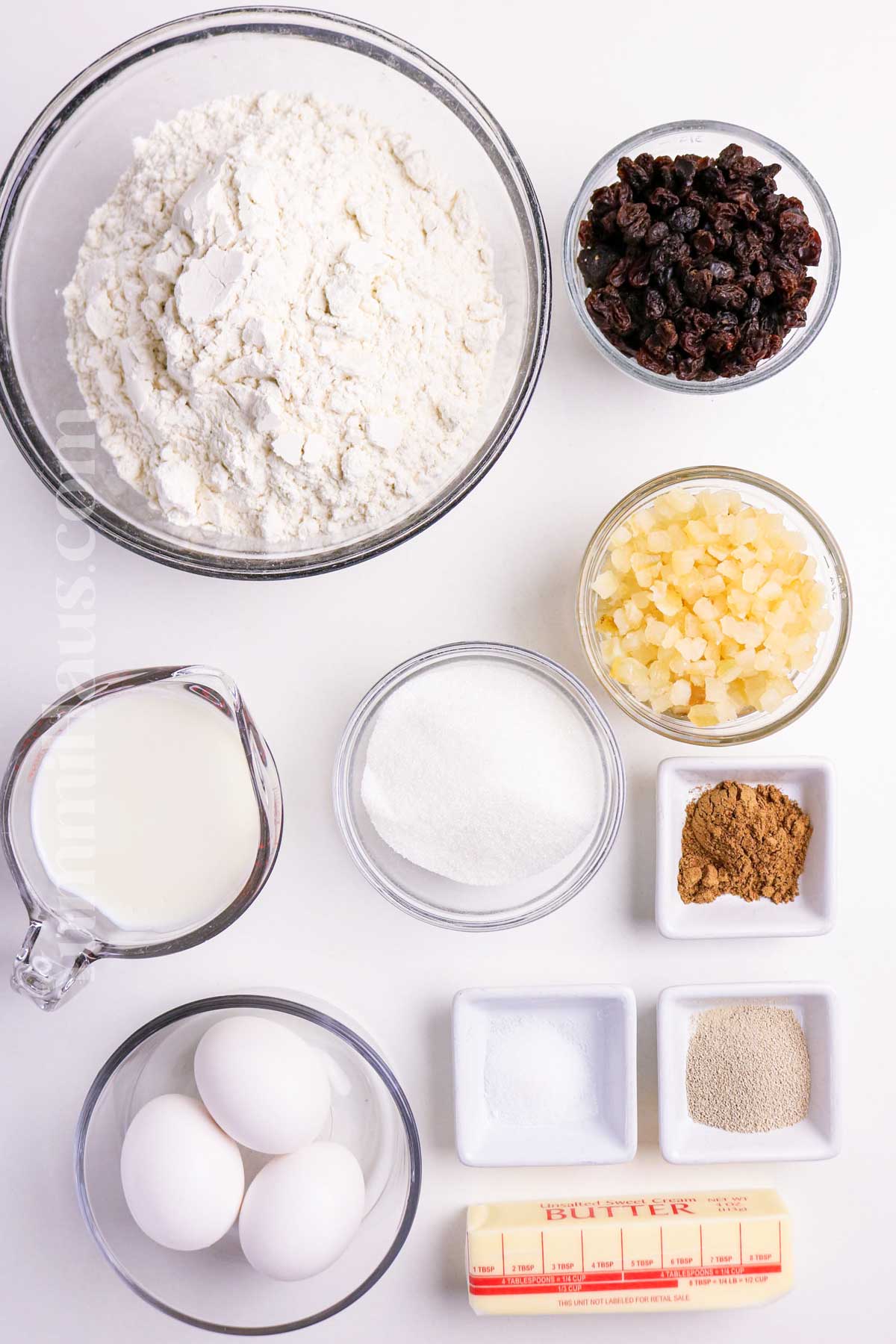
- Whole milk – Adds richness and keeps the crumb soft; warm until just lukewarm so it doesn’t kill the yeast.
- Granulated sugar – Sweetens the dough and helps activate the yeast.
- Unsalted butter – Provides classic holiday richness; use softened butter for easy mixing.
- Ground cardamom – The signature warm, fragrant spice in Julekake; fresh cardamom gives the best flavor.
- Salt – Balances sweetness and enhances overall flavor.
- Large eggs – Add structure, richness, and a golden color.
- All-purpose flour – Gives the bread the ideal balance of softness and structure.
- Active dry yeast – Ensures a good rise; make sure it’s fresh.
- Raisins – Add natural sweetness and chewy texture; use golden or regular.
- Candied citrus peel, chopped – Traditional and fragrant, adding bright citrus notes. (This can be orange peel, dried fruit, orange zest, candied peels, lemon peels)
- Egg (for egg wash) – Creates a shiny, golden crust on top.
Kitchen Equipment
- Large mixing bowls – Any large mixing bowl is great for mixing and rising the dough. Or the bowl of a stand mixer.
- Small saucepan – To gently warm the milk and melt the butter.
- Stand mixer with dough hook attachment (optional but helpful) – Makes kneading easier.
- Wooden spoon or spatula – For stirring ingredients together.
- Measuring cups and spoons – For accurate ingredient amounts.
- Kitchen scale (optional) – Great for precise baking measurements.
- Thermometer (optional) – To check that the milk is lukewarm, not hot.
- Plastic wrap or a clean kitchen towel – To cover the dough while it rises.
- Baking sheet, baking tray, or loaf pan, baking pan – Depending on whether you shape it free-form or bake as a loaf.
- Parchment paper – Prevents sticking and makes cleanup easier.
- Pastry brush – For applying the egg wash.
- Cooling rack – To cool the bread evenly without steaming the bottom.
- Plastic bag or freezer bag – For storing the leftover bread
How to Make
- Start by dissolving the yeast in the lukewarm milk. Give it about 5–10 minutes to wake up and get nice and foamy.
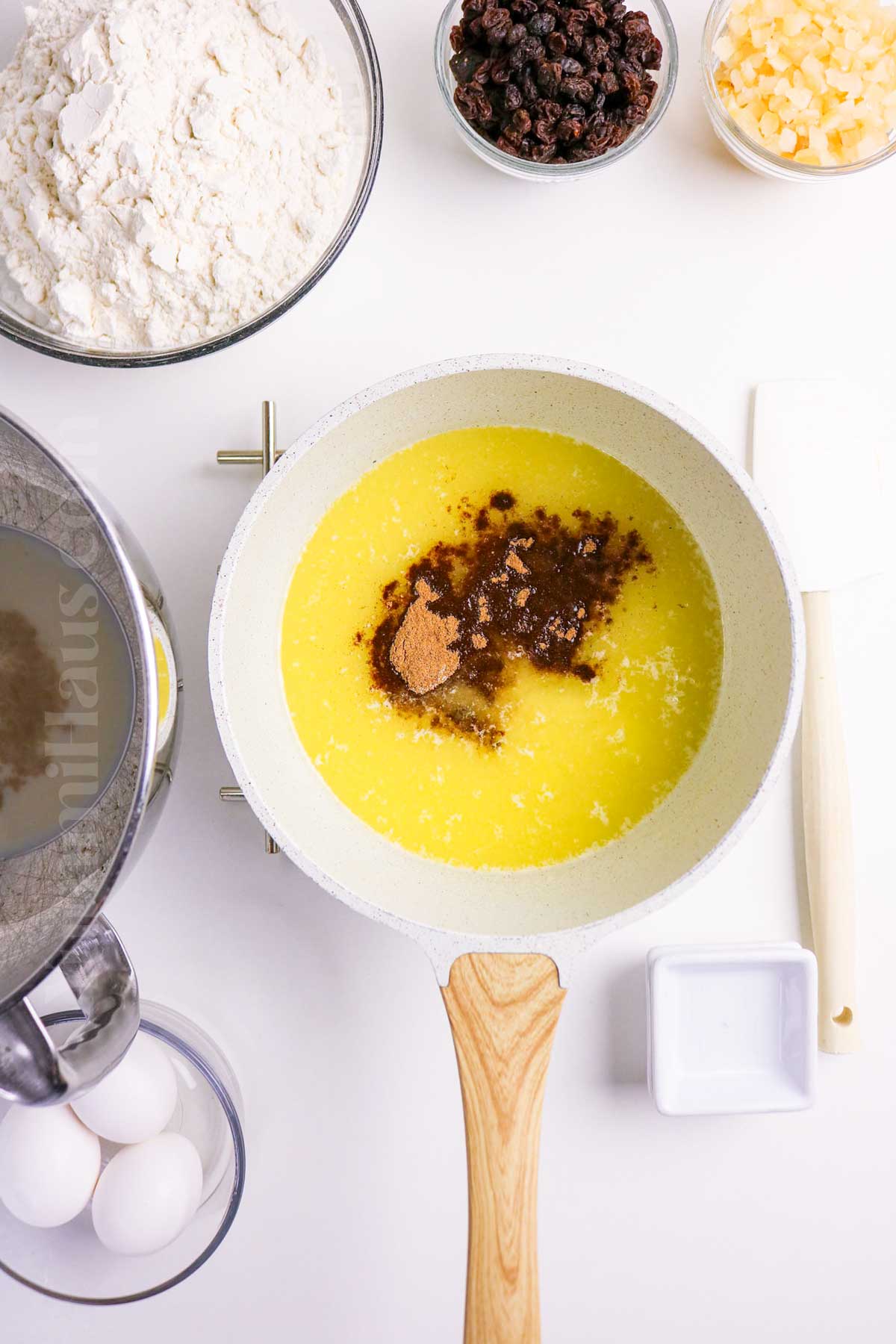
- While that’s happening, melt the butter and sugar together in a small saucepan, then pull it off the heat. Stir in the cardamom and salt, and let it cool just a bit so it’s not too hot.
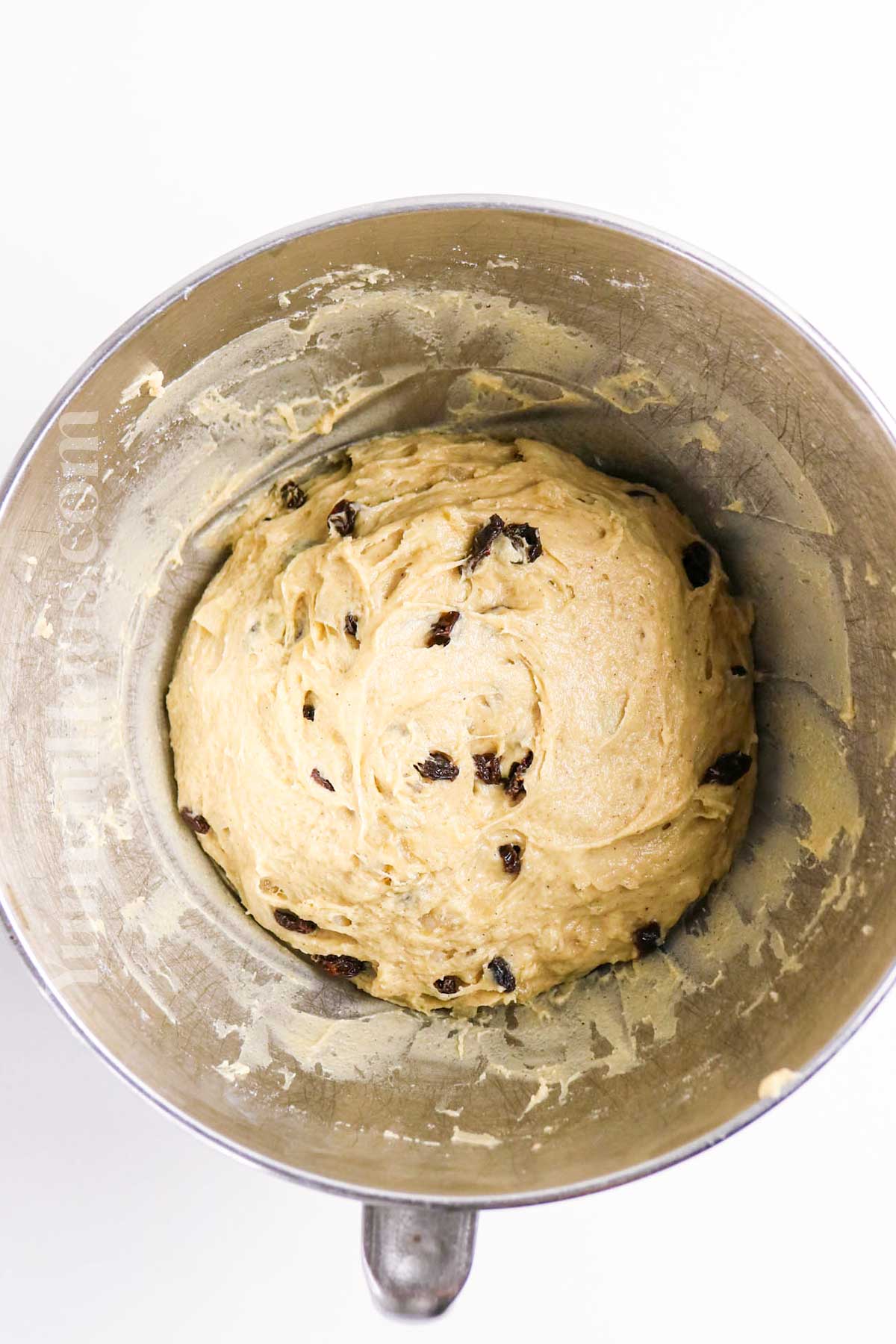
- In a large bowl, mix together the foamy yeast mixture, the butter mixture, and the eggs. Slowly add the flour, stirring until the dough starts to come together and feels soft.
- Turn the dough out onto a lightly floured surface and knead it for 8–10 minutes, until it’s smooth, stretchy, and elastic. Gently fold in the raisins and candied citrus peel.
- Place the dough in a greased bowl, cover it, and let it rise in a warm spot for about 1–1.5 hours, or until it’s doubled in size.
- Once it’s risen, punch it down, shape it into a loaf, and set it on a greased or parchment-lined baking sheet. Let it rise again for another 30–45 minutes.
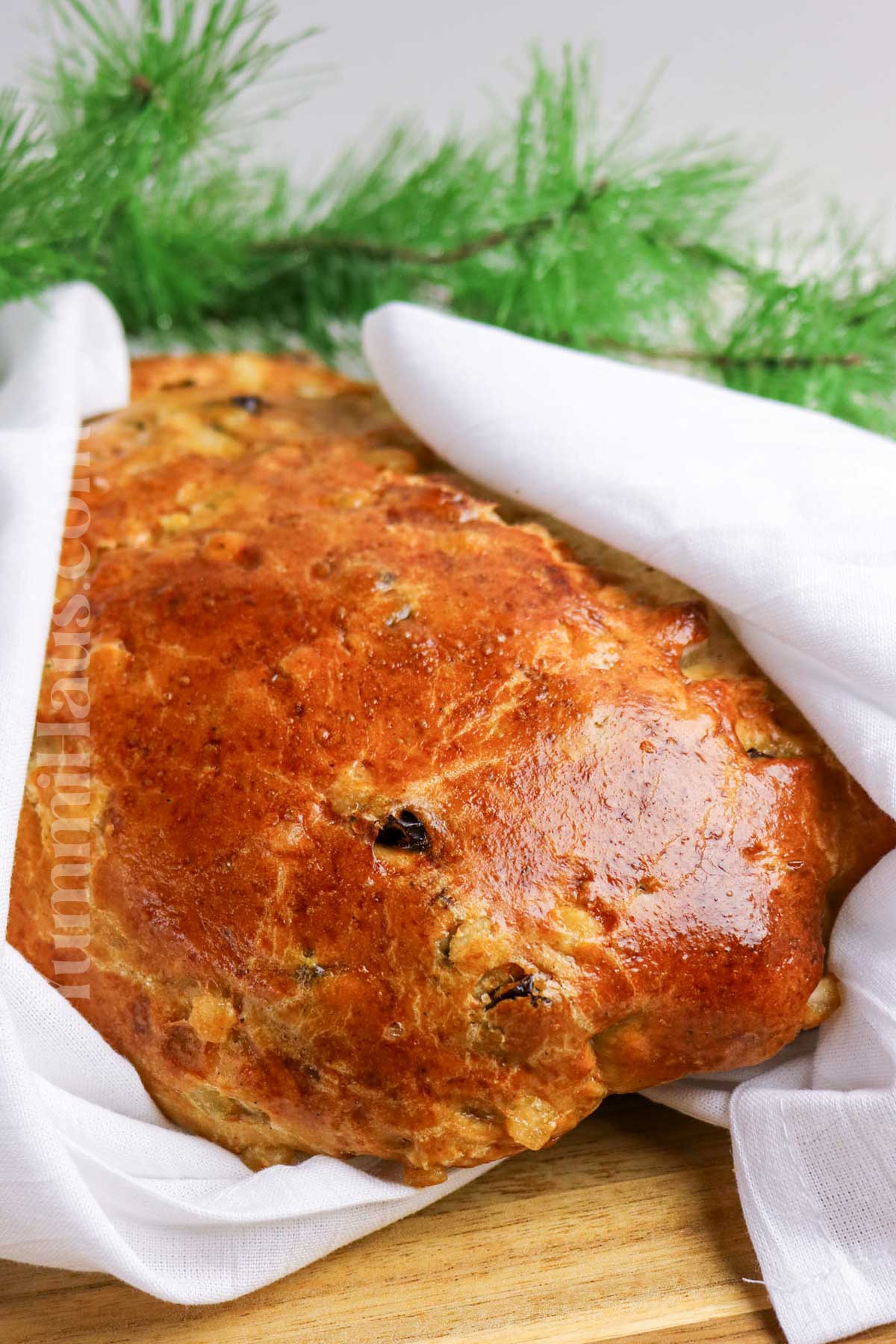
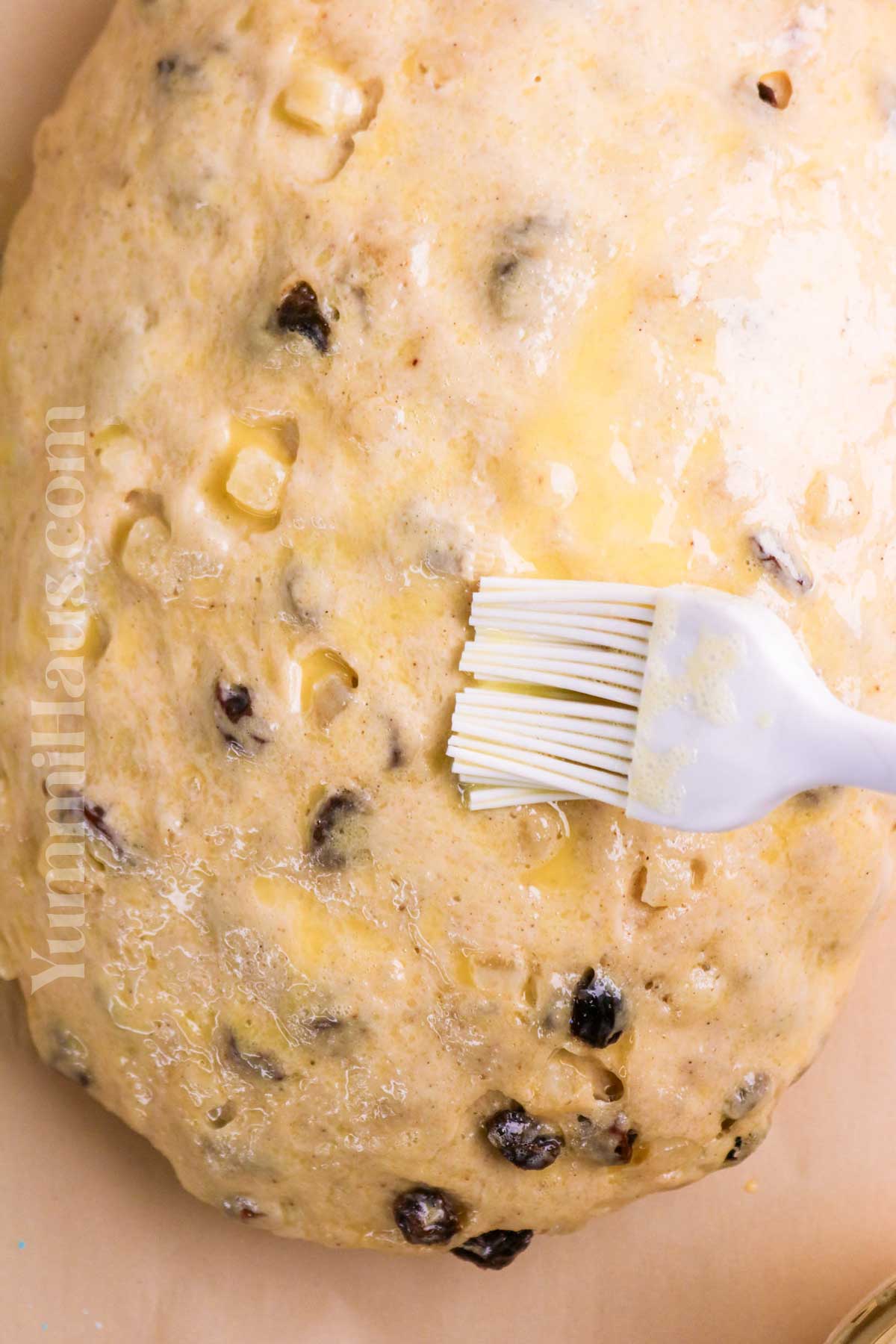
- Preheat your oven to 350°F (175°C). Beat the remaining egg and brush it over the top of the loaf for that gorgeous golden shine.
- Bake for 35–40 minutes, or until the bread is beautifully golden and sounds hollow when you tap it. Let it cool on a wire rack before slicing.
How to Serve and Store Your Julekake
Traditionally, Julekake is sliced and served with butter – and honestly, that’s still my favorite way to eat it. The butter melts into the warm bread and it’s just heavenly. Some people like to toast it, which brings out the cardamom even more and gets the edges a little crispy.
In Norway, you’d typically enjoy this with your afternoon coffee (they take their coffee breaks seriously over there!), but it’s also wonderful for breakfast or as a light dessert. I’ve even made French toast with leftover Julekake, and let me tell you – game changer.
Your Julekake will stay fresh for about 3-4 days wrapped in plastic wrap or stored in an airtight container at room temperature. After that, it might start to dry out, but it’s still great toasted. You can also freeze it for up to 3 months – just wrap it tightly in plastic wrap and then in foil. Thaw it at room temperature when you’re ready to enjoy it.
Variations & Substitutions
Feel free to play around with this recipe once you’ve made it a few times. Some variations I love:
- Add ½ cup of chopped almonds along with the fruit
- Use dried cranberries instead of some of the raisins for a more tart flavor
- Try a mix of cardamom and a little cinnamon for extra warmth
- Brush the baked loaves with a simple glaze made from powdered sugar and milk
- Add a teaspoon of orange or lemon zest to the dough for extra citrus flavor
Expert Tips
Let me share a few things I’ve learned from making this bread over the years:
Don’t skimp on the cardamom. I know it might seem like a lot, but it’s really what makes this Julekake and not just any sweet bread. If you can find whole cardamom pods and grind them yourself, even better – the flavor is incredible.
Check your yeast expiration date. I can’t tell you how many times I’ve heard from people whose bread didn’t rise, and it usually comes down to old yeast. Buy fresh yeast and store it in the fridge after opening.
Be patient with the rising times. If your kitchen is cool, your dough might take longer to rise – that’s okay! It’s ready when it’s doubled, not when the timer goes off.
Quality matters with the candied peel. If you can find good-quality candied peel (or make your own!), it makes a difference. The stuff in the grocery store baking aisle can sometimes be a bit hard and not very flavorful. Check specialty stores or online.
Adjust the sweetness to your taste. Some recipes use more sugar, some less. This version is moderately sweet. If you prefer it sweeter, you can increase the sugar to ¾ cup.
NOTES – Be sure to let that dough rise in a very warm place, free from drafts. Make sure the warm milk is just warm, not too hot, or it will kill your yeast. Too cold, and it will take much longer to proof.

A Little History Worth Knowing
Julekake has been a Christmas tradition in Norway for generations. Like many European Christmas breads, it has roots in celebrating the holiday season with something special and a bit more luxurious than everyday bread. The spices and dried fruits were once expensive and exotic, making this bread a true treat.
Different regions and families have their own variations – some add almonds, some use more or less fruit, and everyone has an opinion on exactly how much cardamom is the “right” amount. That’s the beauty of traditional recipes, though. They evolve and adapt to each baker’s taste.
FAQ’s
Can I make Julekake ahead of time?
Yes! You can bake it a day ahead and store it in an airtight container at room temperature. It also freezes well—just slice and wrap tightly before freezing.
Can I use milk alternatives?
Absolutely! Almond, oat, or soy milk works, but make sure it’s unsweetened and lukewarm when adding to the yeast.
Do I have to use cardamom?
Cardamom is traditional and gives Julekake its signature flavor, but you can experiment with cinnamon or nutmeg if needed.
Can I skip the candied citrus peel?
Yes, you can! The bread will still be delicious with just raisins, though the citrus adds a lovely bright note.
How do I know when the bread is done baking?
The loaf should be golden brown and sound hollow when tapped on the bottom. You can also check with a thermometer. The internal temperature should reach about 190°F (88°C).
Can I make mini loaves or rolls?
Definitely! The dough works well for smaller loaves or dinner rolls. Just adjust the baking time accordingly.
DON’T MISS THESE HOLIDAY E-BOOKS!

If you love this Christmas bread recipe, you’re going to love these other traditional holiday recipes, too. Please click each link below to find the easy, printable recipe!
More Great Holiday Recipes
CONNECT WITH YUMMI HAUS!
Be sure to follow me on my social media, so you never miss a post!

Julekake (Norwegian Christmas Bread)
Ingredients
- 1 cup whole milk
- ½ cup granulated sugar
- ½ cup butter unsalted
- 2 teaspoons ground cardamom
- ½ teaspoon salt
- 2 large eggs
- 4 cups all-purpose flour plus extra for kneading
- 2 ½ teaspoons active dry yeast (1 packet)
- 1 cup raisins
- ½ cup candied citrus peel chopped
- 1 egg for egg wash
Instructions
- Dissolve the yeast in lukewarm milk. Let it sit for 5–10 minutes, or until foamy.
- Melt the butter and sugar in a small saucepan. Remove from the heat.
- Stir in the cardamom and salt. Let the mixture cool slightly.
- Combine the yeast mixture, butter mixture, and eggs in a large bowl.
- Gradually stir in the flour until a soft dough forms.
- Knead the dough on a lightly floured surface for 8–10 minutes, or until the dough becomes smooth and elastic.
- Gently fold in the raisins and candied citrus peel.
- Place the dough in a greased bowl, cover, and let rise in a warm spot for 1–1.5 hours, or until it has doubled in size.
- Punch down the dough, shape it into a loaf, and place it on a greased or parchment-lined baking sheet. Let it rise again for 30–45 minutes.
- Preheat the oven to 350°F (175°C).
- Beat the remaining egg in a small bowl, and brush it over the loaf.
- Bake 35–40 minutes, or until the loaf is golden brown and sounds hollow when tapped with your fingernail.
- Let cool on a wire rack before slicing.
Nutrition
Nutritional information for the recipe is provided as a courtesy and is approximate. Please double-check with your own dietary calculator for the best accuracy. We at Yummi Haus cannot guarantee the accuracy of the nutritional information given for any recipe on this site.







Share Your Thoughts