

There’s something magical about a warm bowl of arroz con leche that brings comfort straight to your soul. This postre tradicional (traditional dessert) has been passed down through generations, and today I’m sharing my foolproof stovetop method that delivers that textura cremosa you crave every single time.
Whether you grew up eating this in Puerto Rico or discovered rice pudding later in life, this receta básica will become one of your postres favoritos.
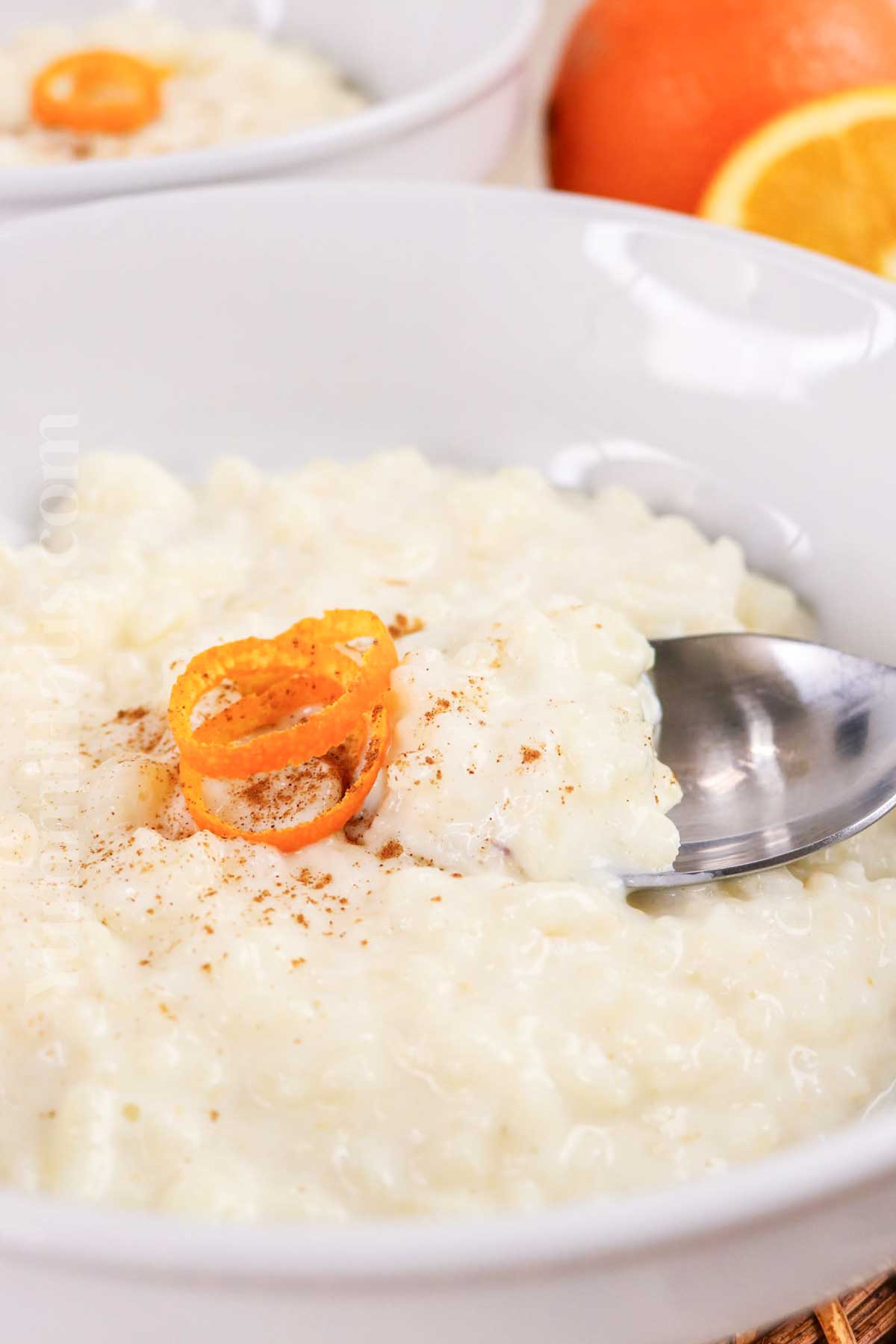
Gina’s Recipe Rundown:
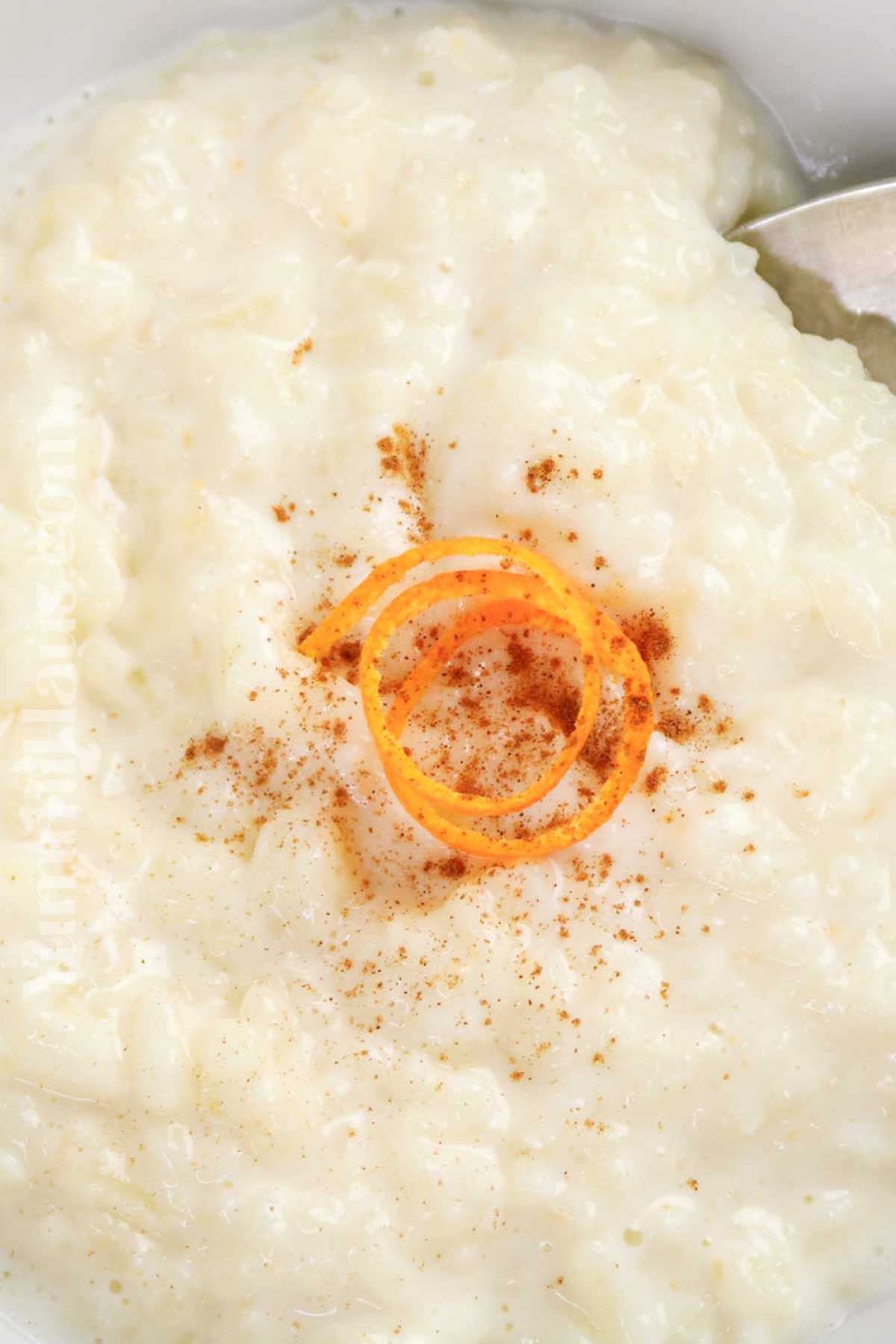
Texture: Velvety and creamy, with tender, soft rice that melts in your mouth while still holding its shape.
Taste: Creamy, comforting, and lightly sweet, with warm cinnamon and a hint of bright citrus in every spoonful.
Ease: Simple and straightforward—just simmer, stir, and let the flavors come together with minimal fuss.
Why I love it: I love Arroz con Leche because it’s warm, comforting, and nostalgic. Reminds me of my tía and every bite feels like a hug, with creamy rice, cozy cinnamon, and just a hint of citrus brightness.
Why You’ll Love This Recipe
This stovetop arroz con leche is truly special. Unlike other recipes that require constant stirring or complicated techniques, this one is forgiving and flexible. You’ll love that it uses natural ingredients and gives you complete control over the consistency. The beauty of making it on the stovetop instead of an Instant Pot is that you can monitor the process closely, adjusting the milk as needed to achieve your desired consistency.
The combination of cinnamon stick and orange or lemon creates an incredible aroma that fills your kitchen with warmth. Plus, you can customize everything from the type of rice to the type of sweetener, making it perfect for your family’s preferences. This isn’t just another dessert—it’s a hug in a bowl.

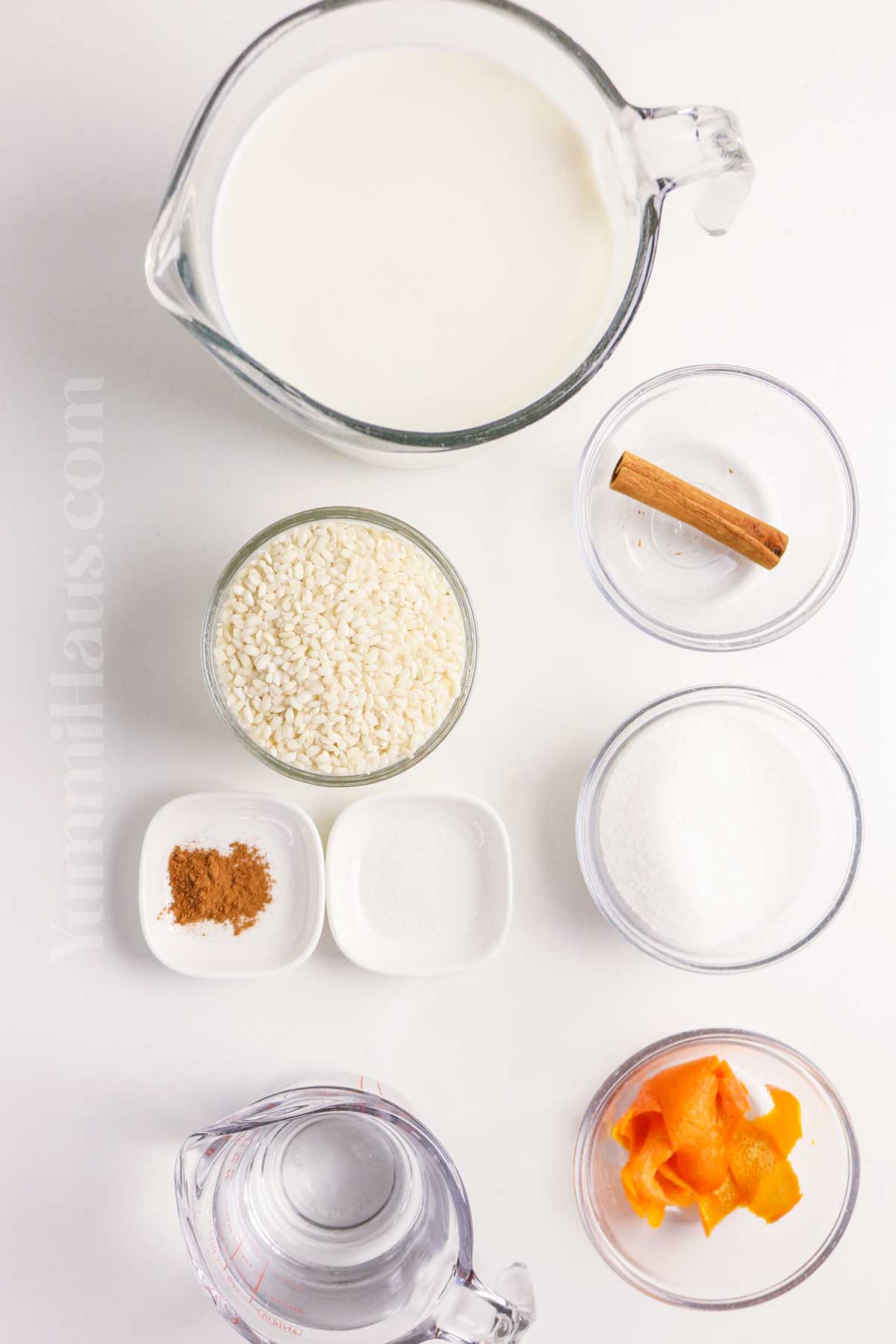
Ingredient Notes
- Medium-grain rice (Arborio or Calrose): Creamy without getting mushy.
- Whole milk: Makes it rich and velvety.
- Water: Helps cook the rice before adding milk.
- Sugar: Sweetens—adjust to taste.
- Cinnamon stick: Adds warm, cozy flavor. Remove before serving.
- Citrus peel (lemon or orange, no pith): Brightens the pudding with a hint of freshness.
- Pinch of salt: Brings out all the flavors.
- Ground cinnamon: Sprinkle on top for a finishing touch.
Kitchen Equipment
You don’t need fancy equipment for this receta de arroz. Here’s what I recommend:
- A heavy-bottomed medium or large pot (essential for preventing burning)
- A wooden spoon for stirring
- Measuring cups and spoons
- A zester or peeler for the cáscara de limón or cáscara de naranja
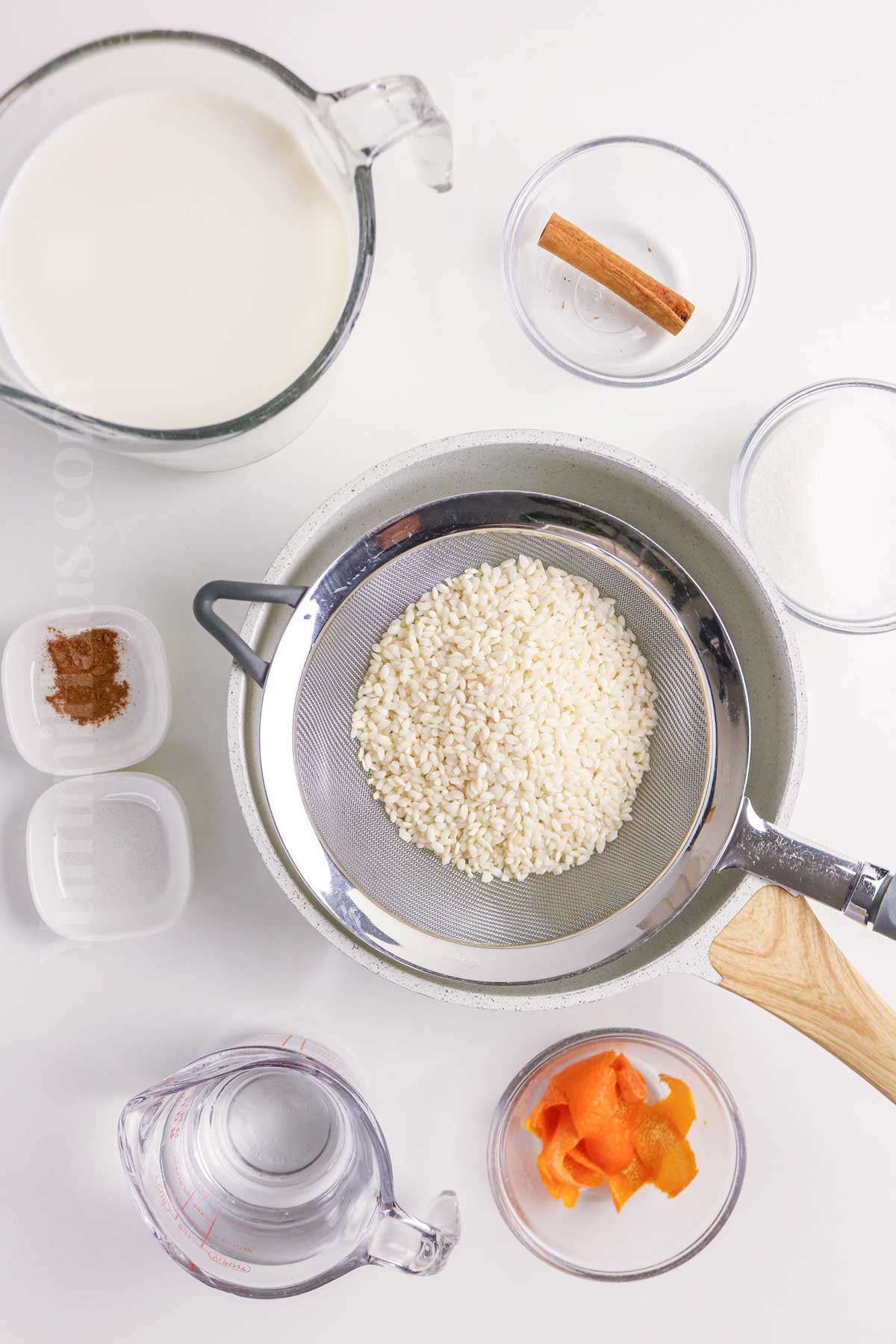
- A fine-mesh strainer for rinsing the rice
How to Make Arroz con Leche (Spanish Rice Pudding)
- Give the rice a quick rinse under cool water, then drain.
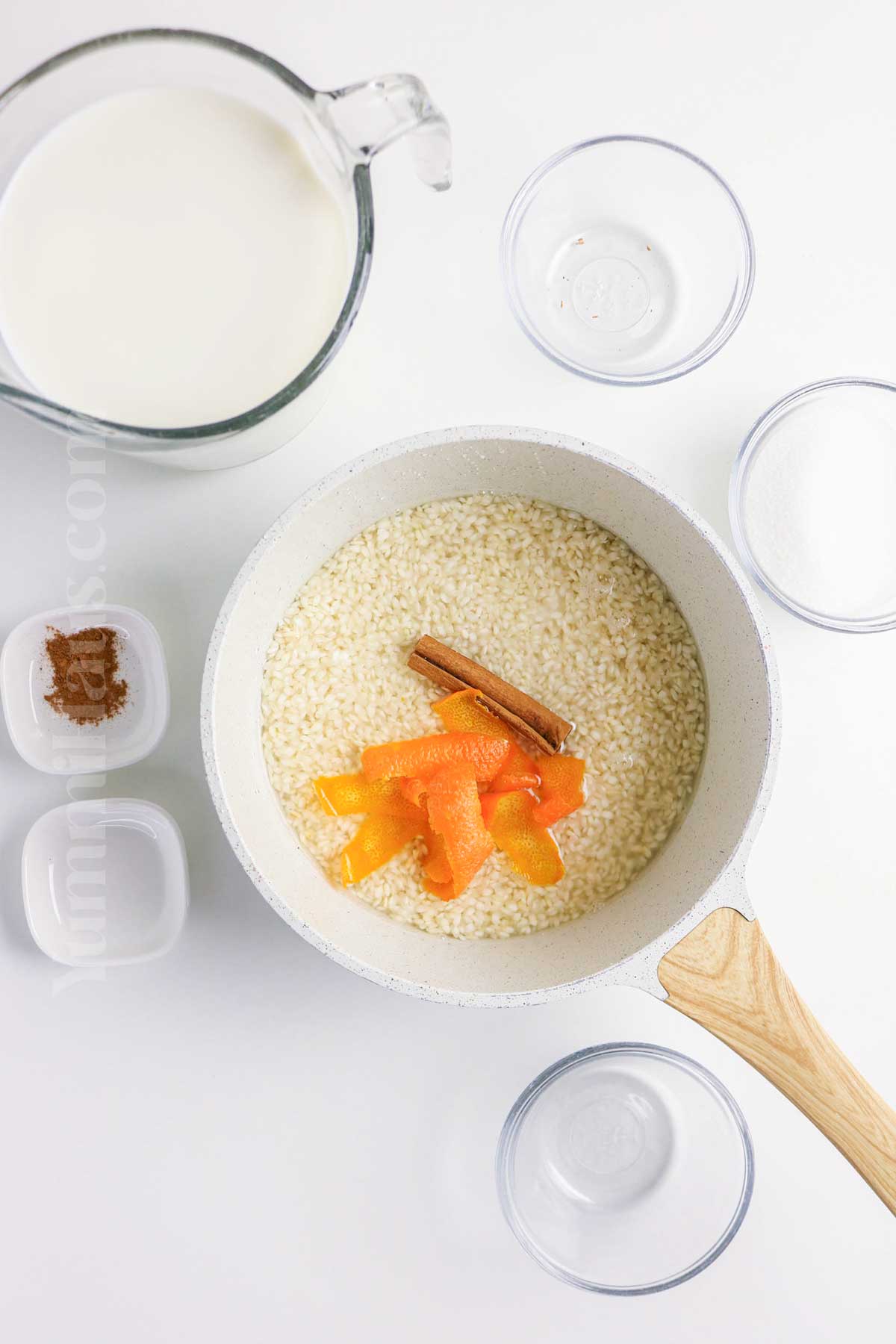
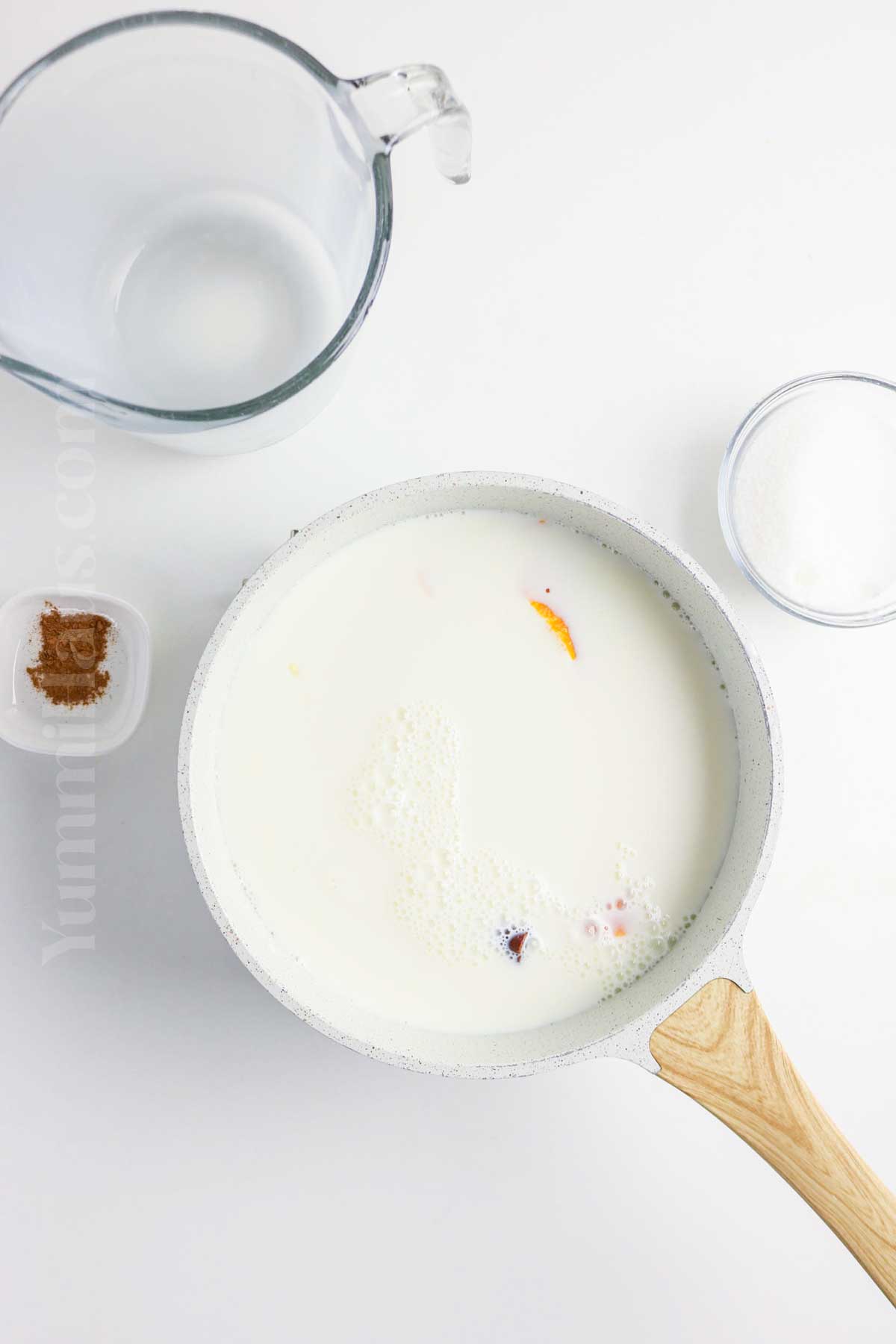
- In a medium pot, toss together the rice, water, cinnamon stick, citrus peel, and a pinch of salt. Bring it to a gentle simmer and cook until most of the water is gone—about 10 minutes.
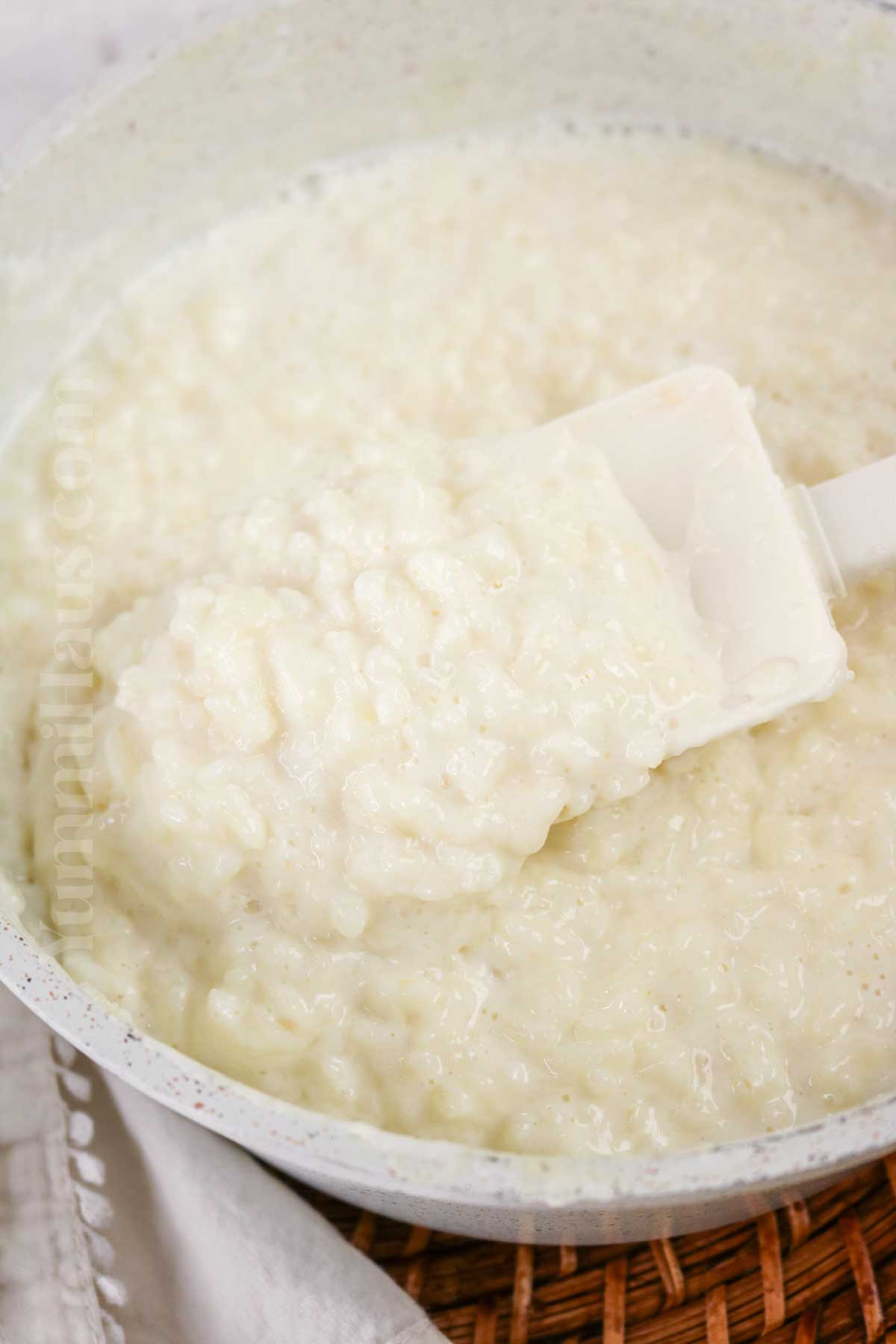
- Pour in the milk and lower the heat so it stays at a soft simmer. Keep it uncovered and stir often so the rice doesn’t stick. Cook until the rice is tender and the pudding thickens, around 25–30 minutes.
- Stir in the sugar and keep it moving for a couple of minutes until it melts in completely.
- Take the pot off the heat and fish out the cinnamon stick and citrus peel.
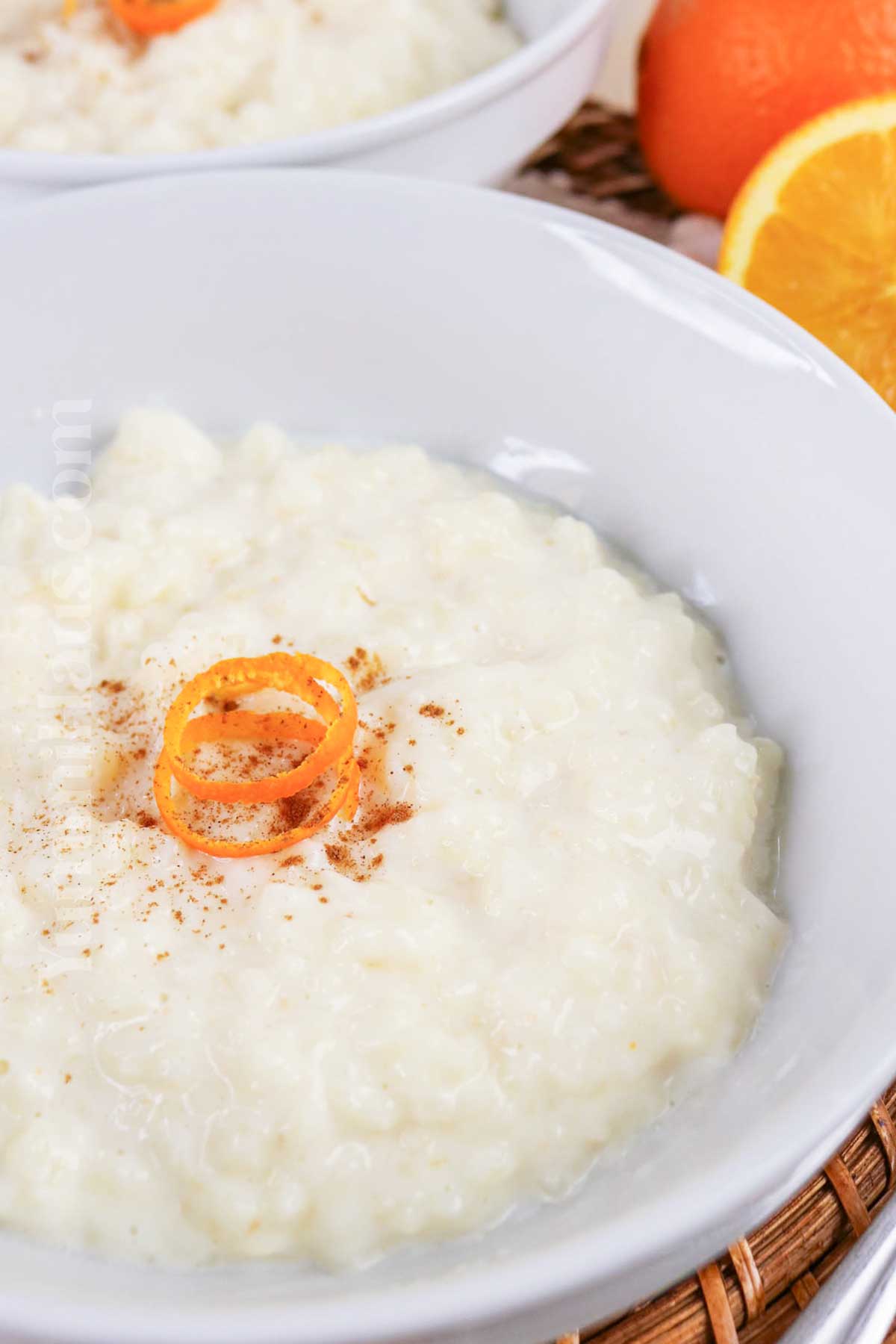
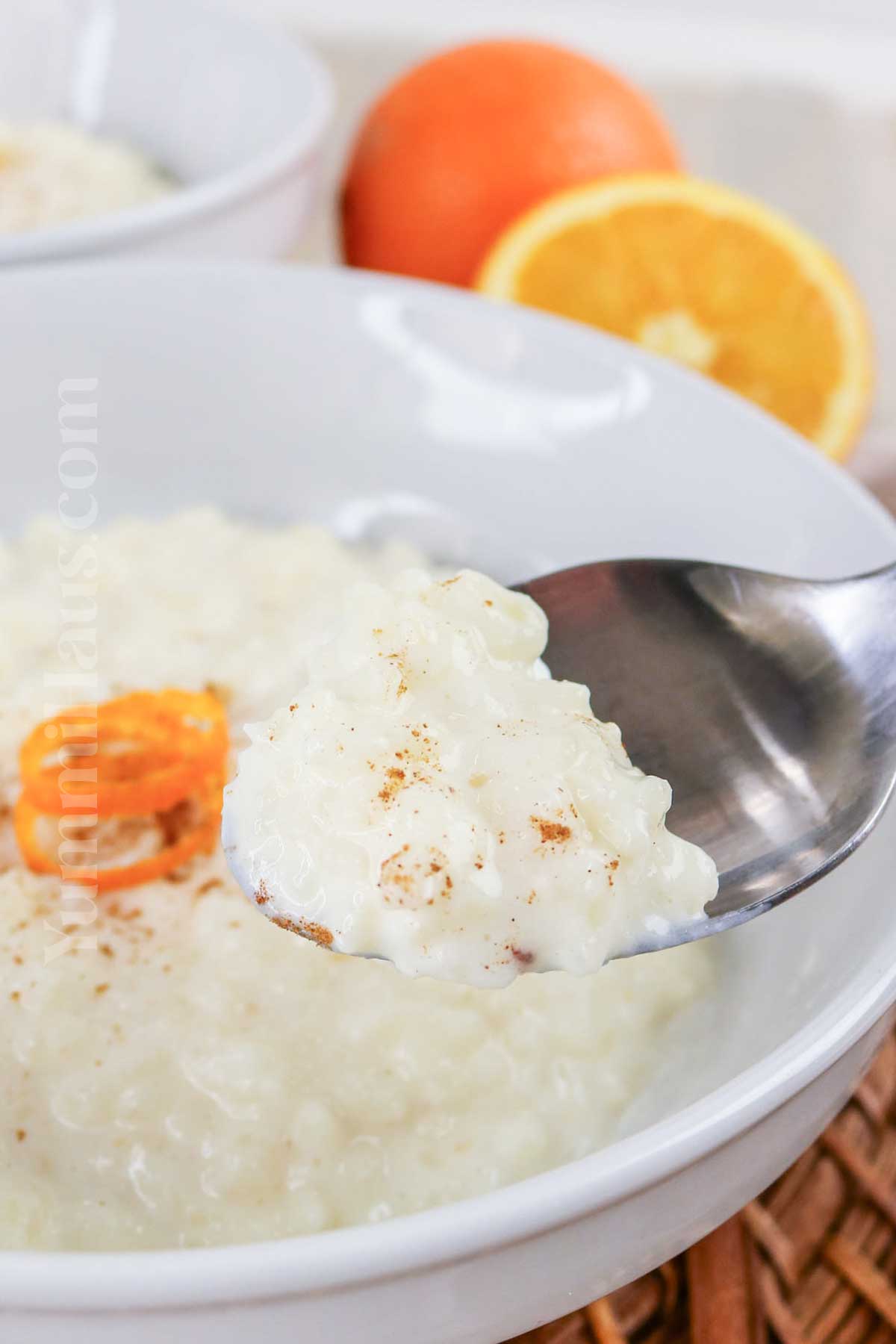
- Let it rest for 5 minutes before serving warm, or chill it if you prefer it cold. Finish with a sprinkle of cinnamon on top and enjoy!
Variations & Substitutions
Different Types of Rice:
While regular white rice is traditional, you can use arroz integral for a nuttier flavor and more fiber, though it requires additional cooking time. Arroz arborio, typically used for risotto, creates an ultra-creamy texture. You may need arroz adicional if you’re feeding a crowd, just maintain the rice-to-liquid ratio.
Milk Options:
For a tropical twist, substitute part of the leche entera with leche de coco. The result is incredibly fragrant and rich. Some recipes use evaporated milk instead of or in addition to condensed milk; this alternative creates a different depth of sweetness.
Sweetener Choices:
Try azúcar de coco (coconut sugar) for a lower glycemic option or another sugar alternative like monk fruit. Some people love adding dulce de leche at the end for extra decadence. Just remember that adjusting the type of sweetener will change the flavor profile slightly.
Flavor Additions:
Swap lemon rind for orange zest for a citrus variation. Add shredded coconut (coco rallado) in the last few minutes of cooking for texture and tropical flavor. A splash of vanilla extract is always welcome.
Storage
Store your arroz con leche in an airtight container in the refrigerator for up to 5 days. The rice will continue absorbing liquid as it sits (that’s why preparation is important to consider). When reheating, add a splash of milk or water to restore the creamy texture. Warm it gently over low heat, stirring frequently.
I don’t recommend freezing arroz con leche as the texture changes dramatically when thawed. This dessert is best enjoyed fresh or within a few days of making it.
Expert Tips
Temperature Control is Everything: The process requires patience. Keeping it at medium heat initially and then lowering to low heat prevents scorching and ensures even cooking. If you rush it on high heat, you’ll end up with burned milk on the bottom and undercooked rice on top.
Stirring Strategy: Don’t stir constantly at the beginning, but increase frequency as the mixture thickens. This helps develop the creamy texture without breaking down the rice too much.
Consistency Matters: Remember that your arroz con leche will thicken considerably as it cools. When you think it’s almost at the right consistency, it’s probably done. If you cook it too long, you can always add more milk to thin it out.
Don’t Skip the Aromatics: The cinnamon stick and citrus peels aren’t just for show—they infuse subtle flavor that makes this rice pudding special. Fresh cinnamon sticks work better than old ones that have lost their potency.
Taste and Adjust: Since leche condensada sweetness varies by brand, taste your pudding near the end. You can always add extra sugar if needed, but you can’t take it away.
FAQ’s
Can I make this in an Instant Pot?
While this recipe is specifically for stovetop preparation, yes, you can adapt it for an Instant Pot. However, I find the stovetop method gives you more control over the final texture and is actually just as easy once you get the hang of it.
Why is my arroz con leche not creamy?
The most common issue is not using enough milk or cooking it too quickly, making the liquid evaporate. Make sure you’re using the full portion of milk specified and keeping the heat low enough. If it’s too thick, simply stir in more milk until you reach the texture you want.
What’s the best type of rice for this recipe?
Medium or short-grain white rice works best for traditional arroz con leche. Long-grain rice doesn’t release as much starch, so you won’t get that signature creamy consistency. If you want to use brown rice, increase the cook time by about 15-20 minutes.
How do I prevent the rice from sticking to the bottom?
Use a heavy-bottomed pot, maintain the heat once the milk is added, and stir regularly (especially toward the end). A wooden spoon works better than metal for gentle stirring without scratching your pot.
Can I reduce the sugar content?
Absolutely! The granulated sugar is the main sweetener, so you could use a reduced-sugar version or use less of it. Keep in mind, this affects the final overall flavor but also changes the traditional flavor. Consider using a different type of sugar like stevia or monk fruit, if you’re monitoring sugar intake.
Is this recipe authentic to Puerto Rico?
Puerto Rico has its own wonderful version of arroz con leche, and while recipes vary by region and family, this basic recipe captures the essence of this beloved traditional dessert. Every Latin American country has slight variations, so feel free to adapt it to your family’s traditions.
Can I serve this warm or cold?
Both ways are delicious! Many people in Puerto Rico and throughout Latin America serve it warm with a sprinkle of ground cinnamon on top. Others prefer it chilled from the refrigerator. Try it both ways and see which you prefer.
This stovetop arroz con leche is more than just a recipe; it’s a connection to tradition, family, and the simple pleasure of a homemade dessert. The process might seem long, but the actual hands-on time is minimal, and the results are absolutely worth it. Whether you’re making it for a special occasion or just because you’re craving something sweet and comforting, this creamy rice pudding delivers every time.
So grab your ingredients, put on some music, and let the aroma of cinnamon and citrus fill your kitchen. This is cooking that feeds both the body and soul.
If you love this cinnamon dessert recipe, you’re going to love these other cinnamon dessert recipes, too. Please click each link below to find the easy, printable recipe!





More Great Dessert Recipes
Mexican Hot Chocolate (Champurrado)
CONNECT WITH YUMMI HAUS!
Be sure to follow me on my social media, so you never miss a post!

Arroz con Leche (Spanish Rice Pudding)
Ingredients
- 1 cup rice medium-grain, such as Arborio or Calrose
- 4 cups whole milk
- 1 cup water
- ½ cup granulated sugar
- 1 cinnamon stick
- peel from 1 lemon or orange avoid the white pith
- 1 Pinch salt
- ½ tsp ground cinnamon for topping
Instructions
- Rinse the rice briefly under cool water and drain.
- Combine the rice, water, cinnamon stick, citrus peel, and a pinch of salt in a medium pot. Bring to a simmer and cook until most of the water is absorbed, about 10 minutes.
- Add the milk and reduce the heat to maintain a gentle simmer. Cook uncovered, stirring often to prevent sticking, until the rice is very tender and the mixture thickens, 25–30 minutes.
- Stir in the sugar, keep it moving for 2–3 minutes until the sugar has dissolved.
- Remove from heat and discard the cinnamon stick and citrus peel.
- Rest 5 minutes before serving warm, or chill to serve cold. Sprinkle with cinnamon before serving.
Nutrition
Nutritional information for the recipe is provided as a courtesy and is approximate. Please double-check with your own dietary calculator for the best accuracy. We at Yummi Haus cannot guarantee the accuracy of the nutritional information given for any recipe on this site.







Share Your Thoughts